
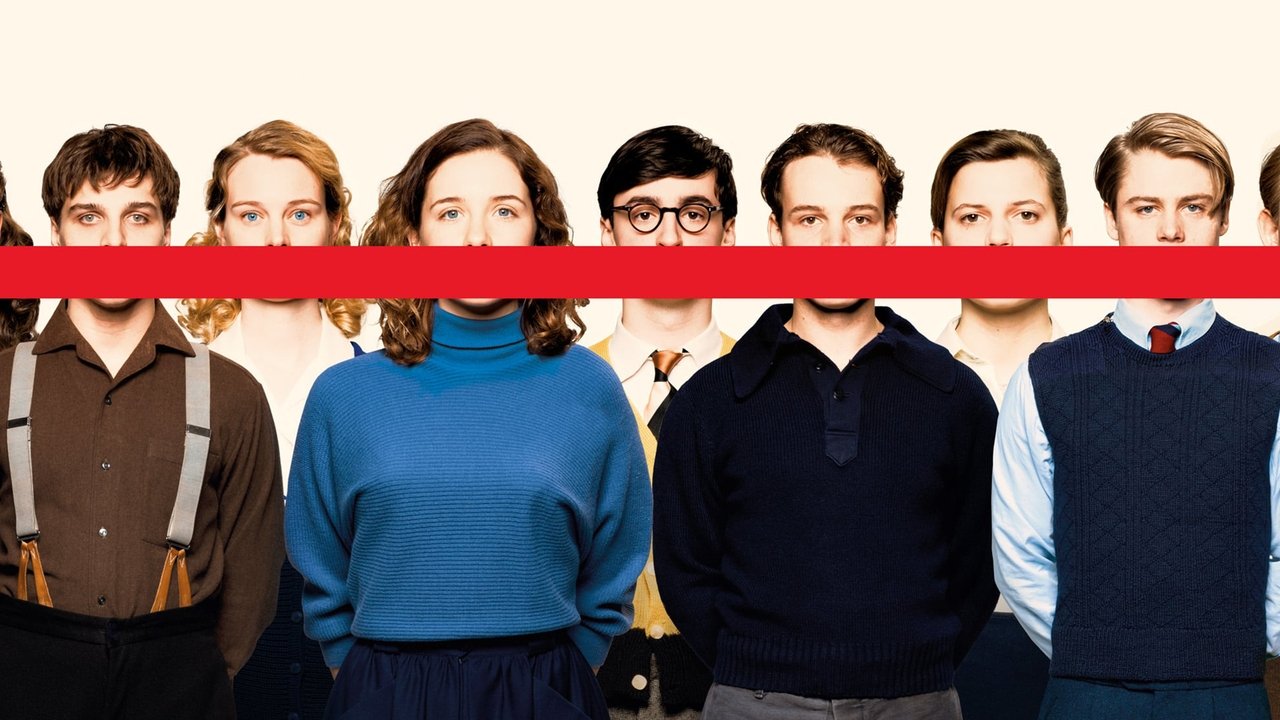
The Silent Revolution
In 1956 Stalinstadt, East Germany, during the Hungarian uprising against Soviets is taking place, local teenagers perform a seemingly harmless act that causes unexpected consequences.
CorsFlix: German-language films and series, from The Silent Revolution, Contra and Measuring the World to Pappa ante Portas, Beyond Silence and The Goldfish, and where to watch them
188 films and series from Germany, Austria and Switzerland, 1950 to 2026, chosen for the whole household.
Popular now
View all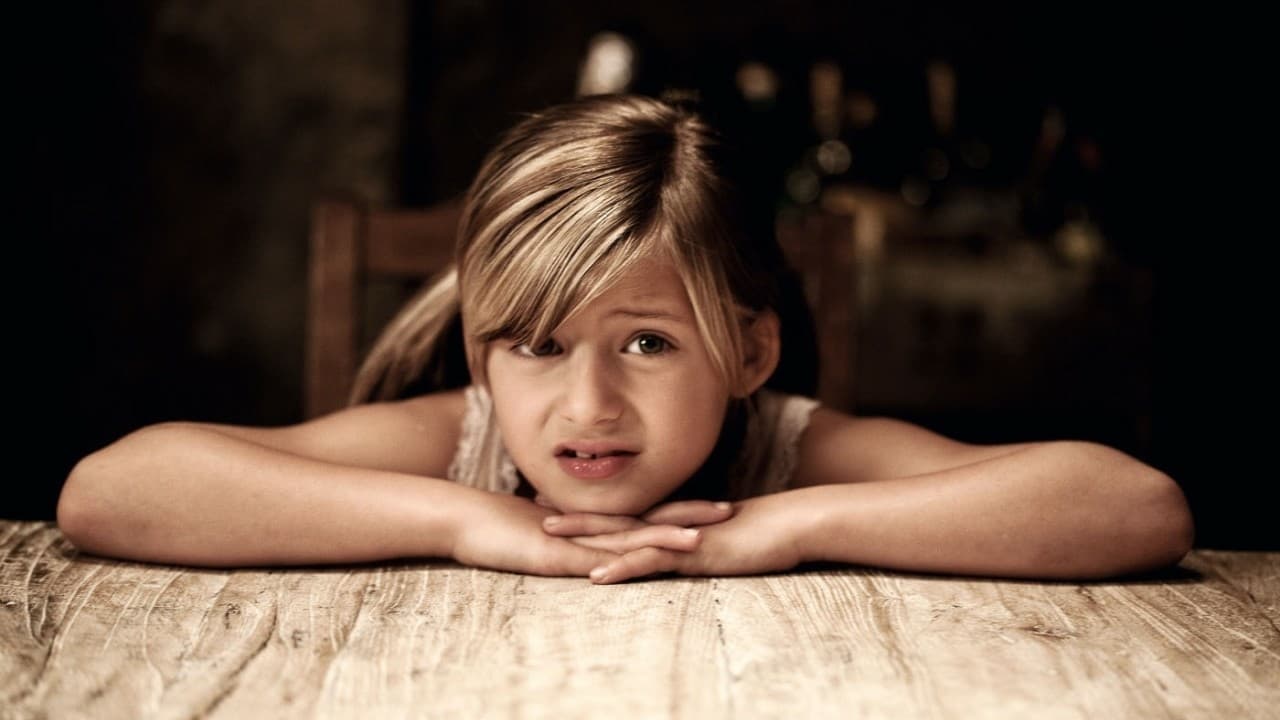 2011 · FilmKokowääh
 2020 · FilmContra
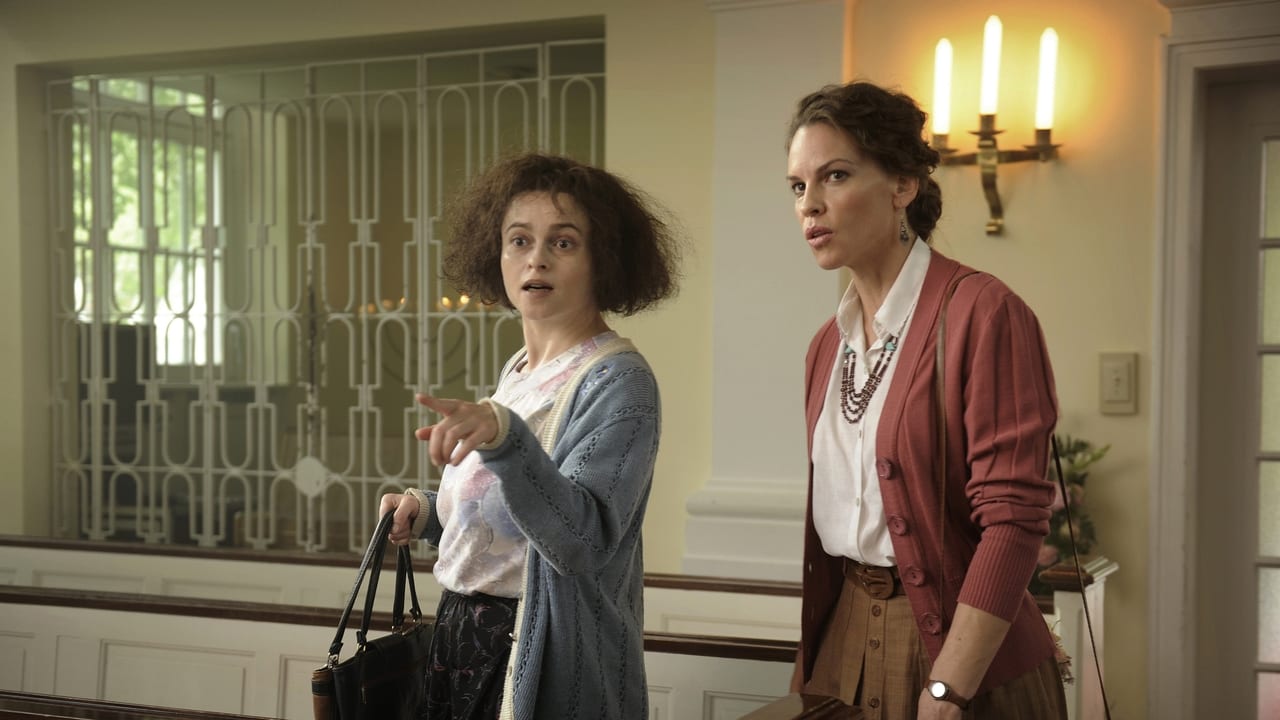 2018 · Film55 Steps
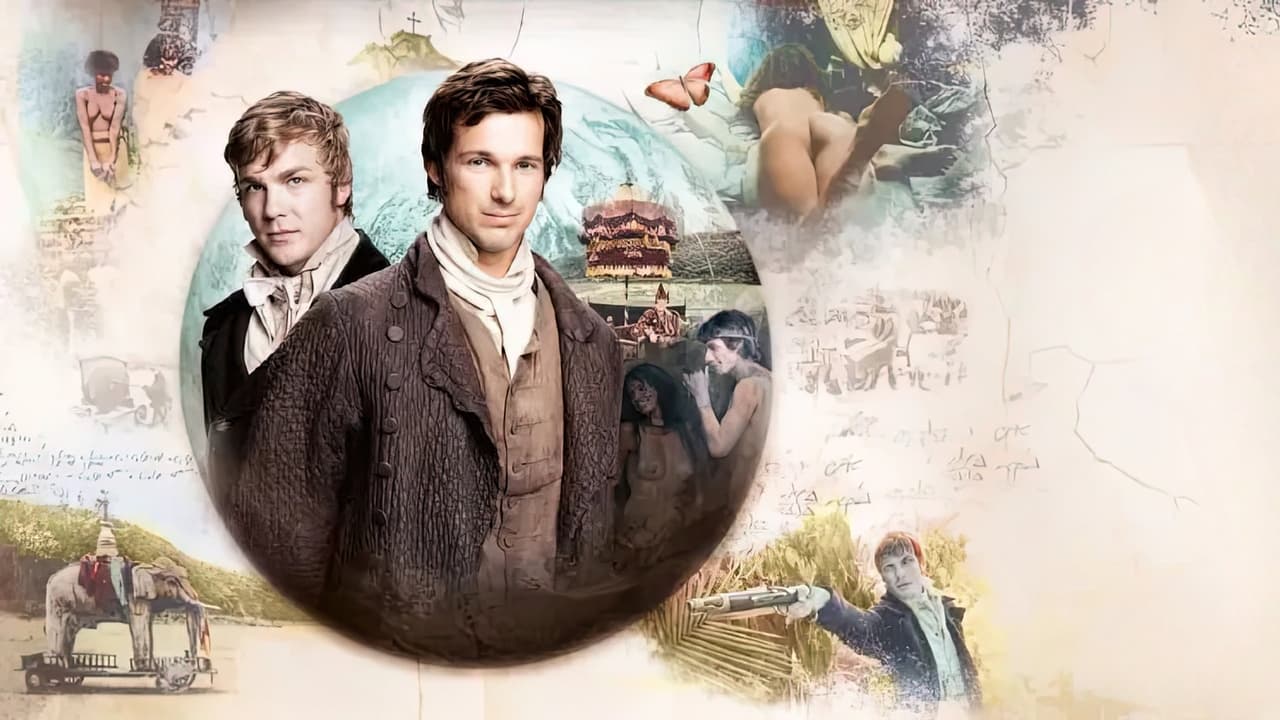 2012 · FilmMeasuring the World
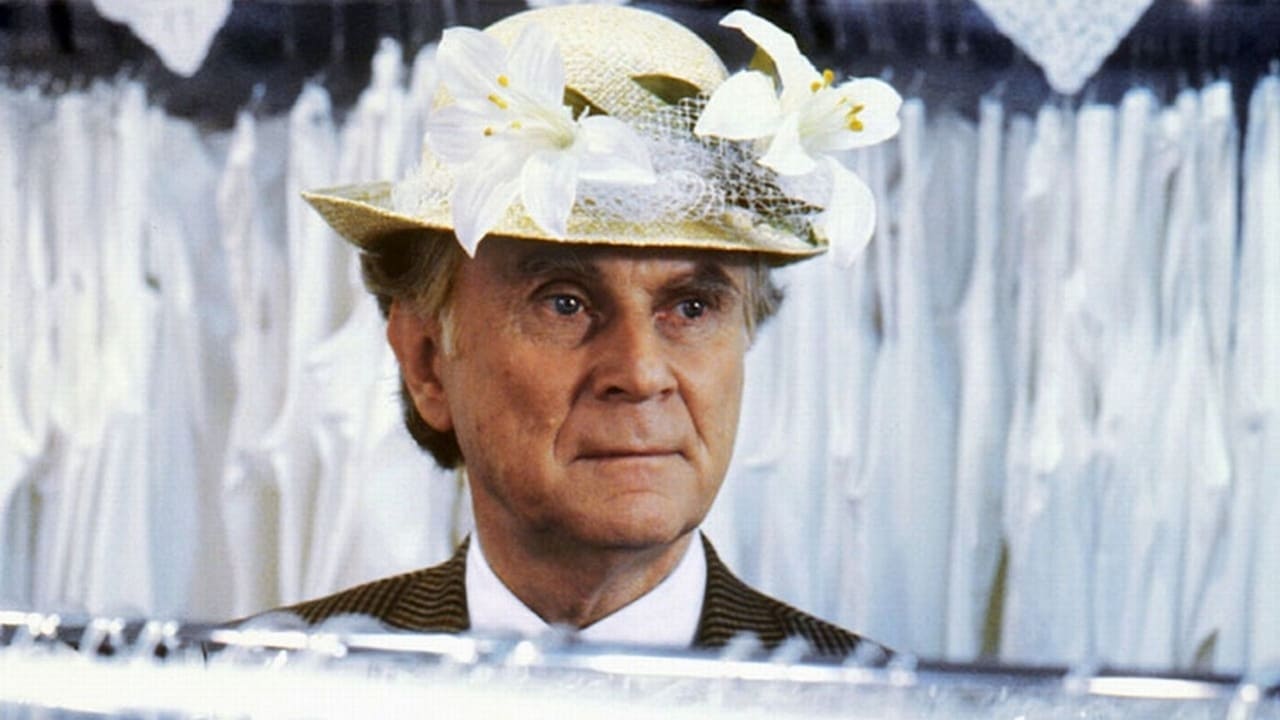 1991 · FilmPappa ante Portas
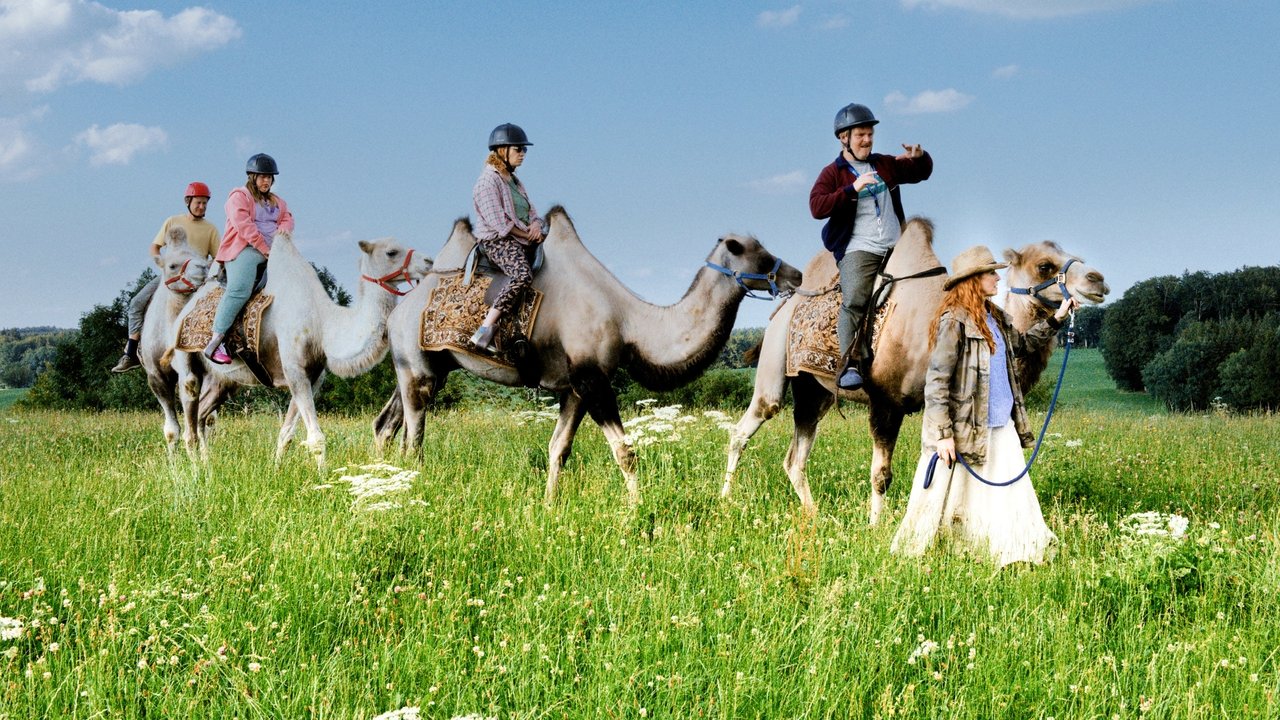 2019 · FilmThe Goldfish
 2022 · FilmFamily Affairs
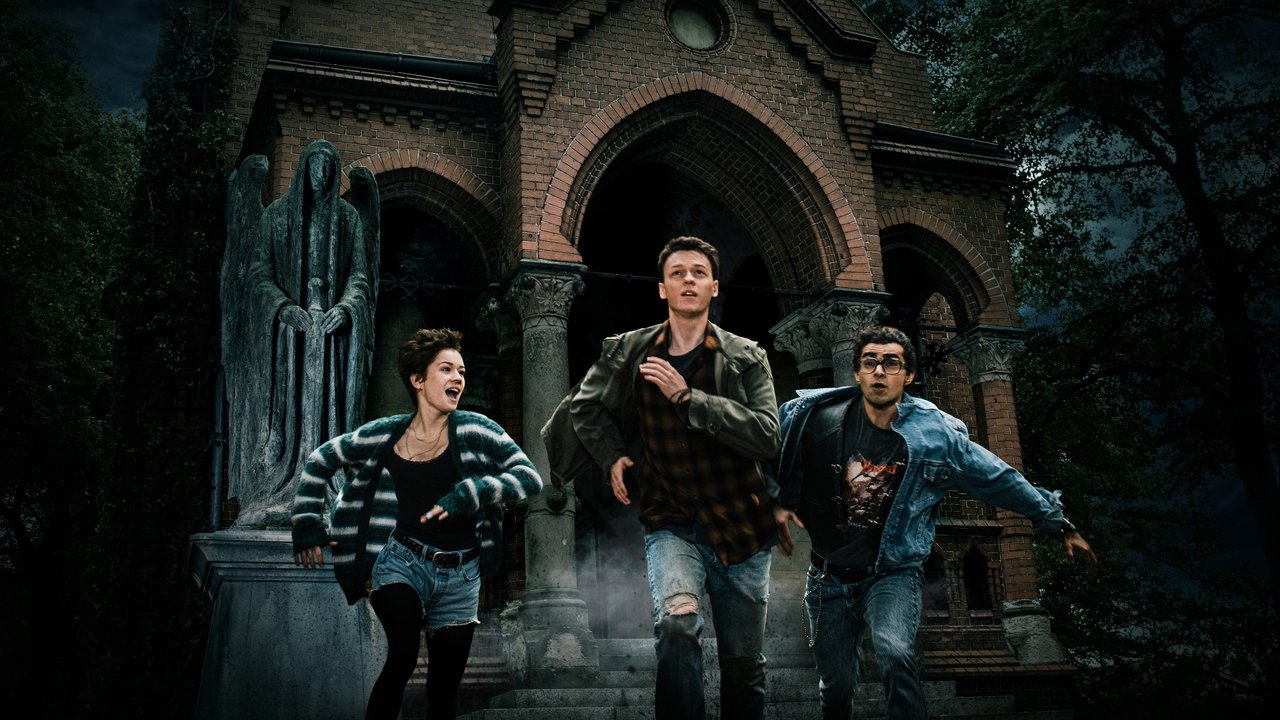 2023 · SeriesThe Gryphon
Comedy
View all 2013 · FilmWhen Inge Is Dancing
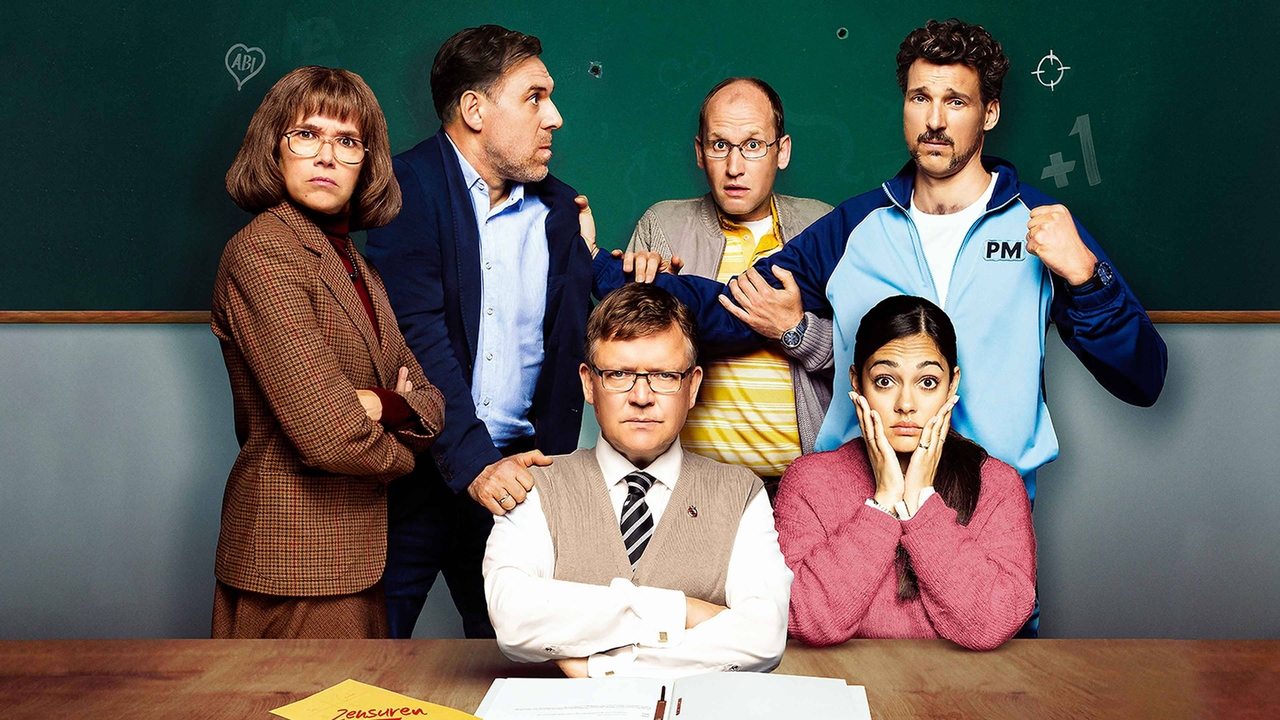 2022 · FilmLocked in Society
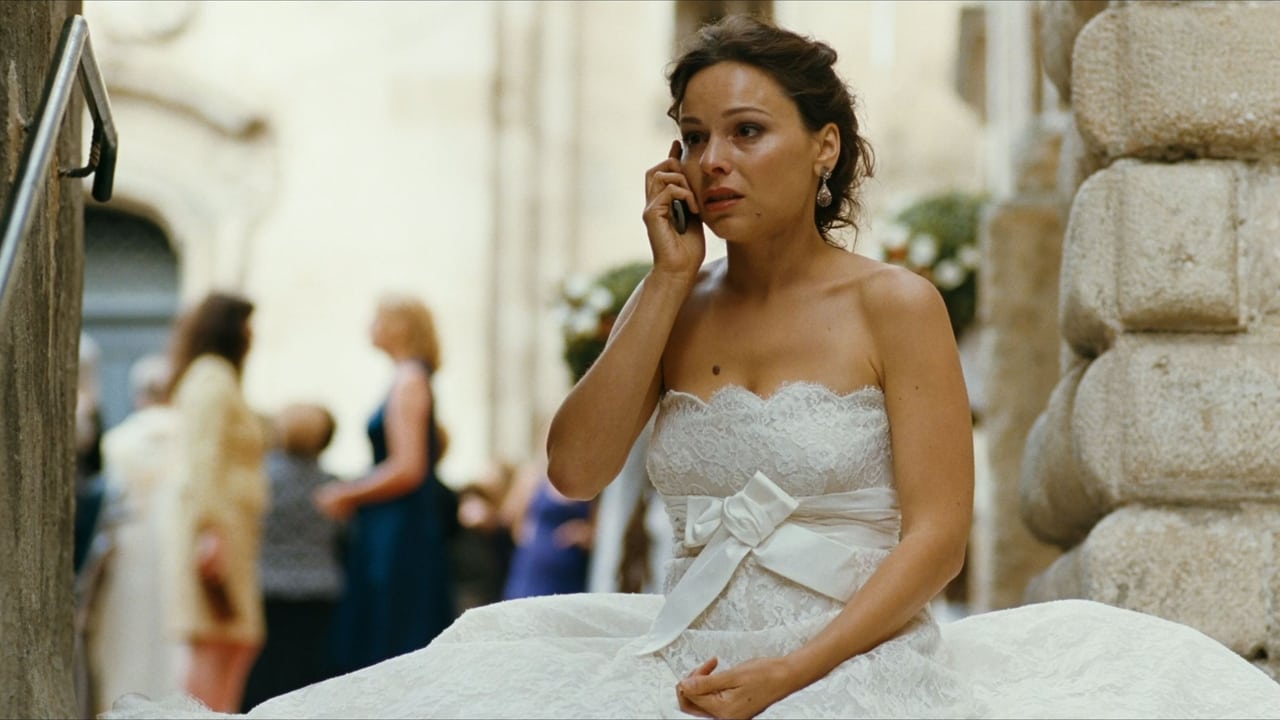 2009 · FilmWedding Fever in Campobello
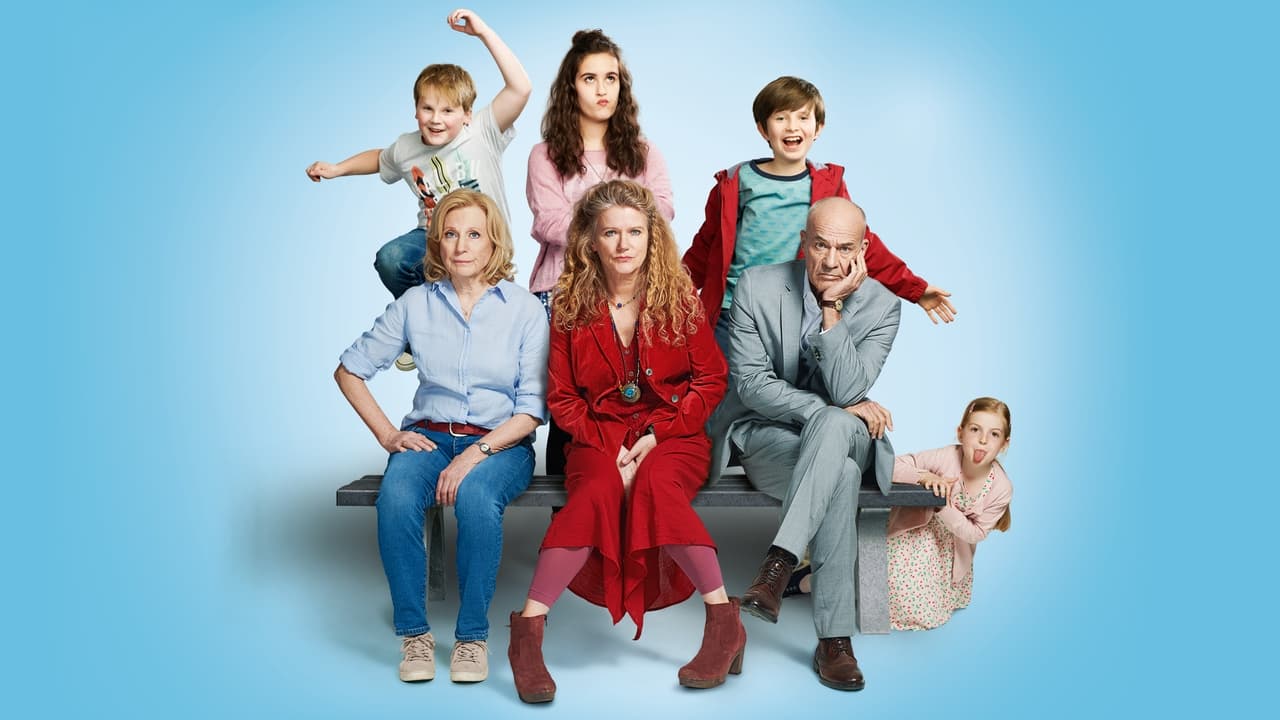 2020 · FilmGranny Nanny
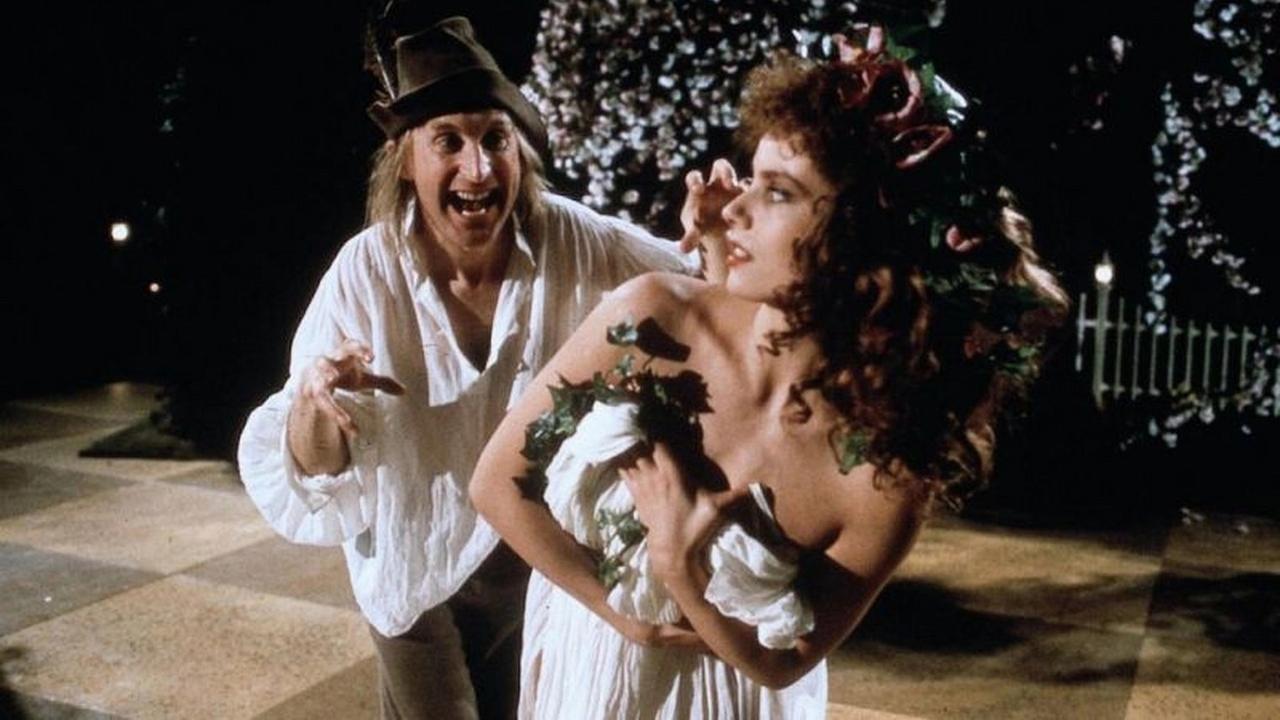 1992 · FilmOtto - The Romance Film
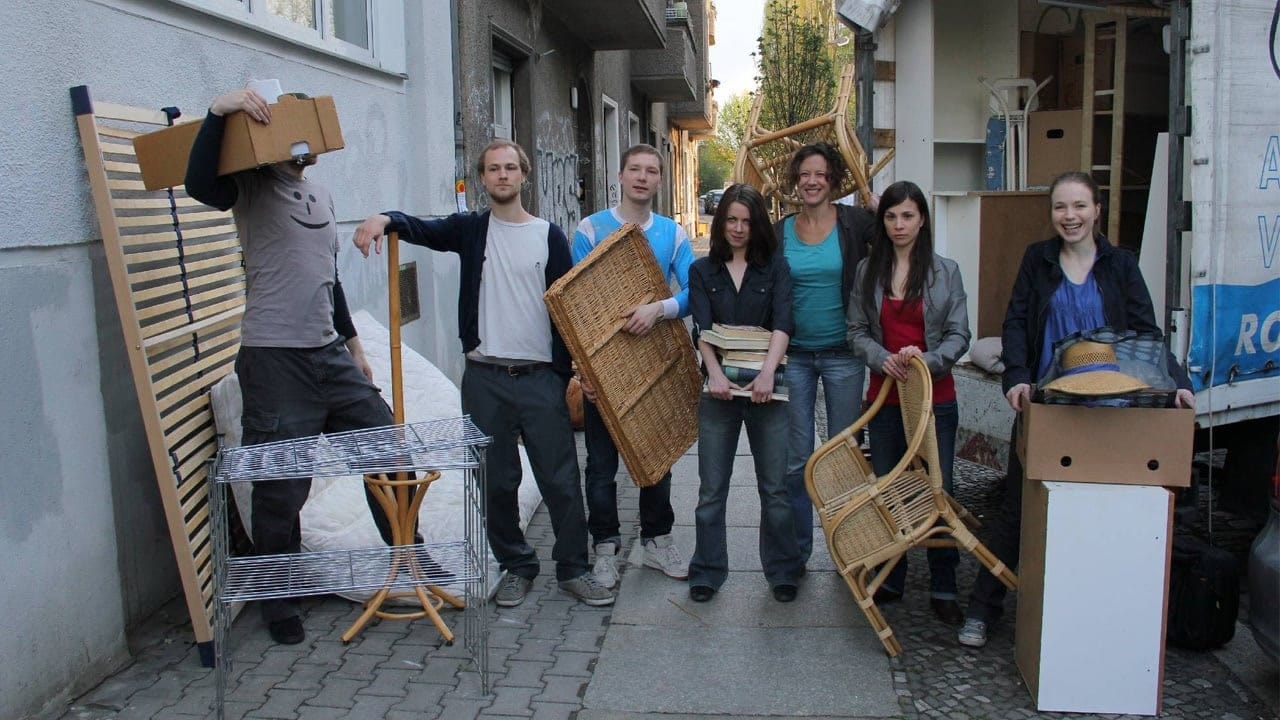 2012 · FilmMove
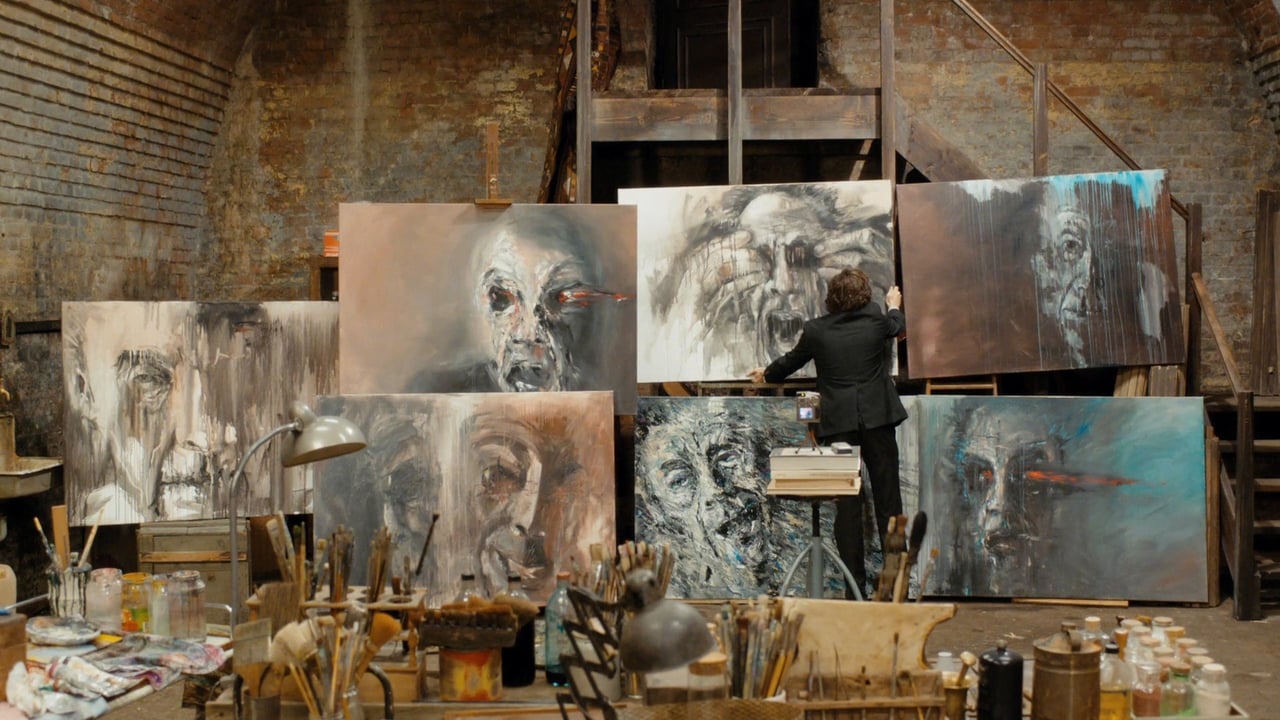 2015 · FilmMe and Kaminski
 2026 · FilmOh, This Unspeakable Void
History and true stories
View all 2020 · FilmLouis van Beethoven
 2010 · FilmNanga Parbat
 2022 · FilmRabiye Kurnaz vs. George W. Bush
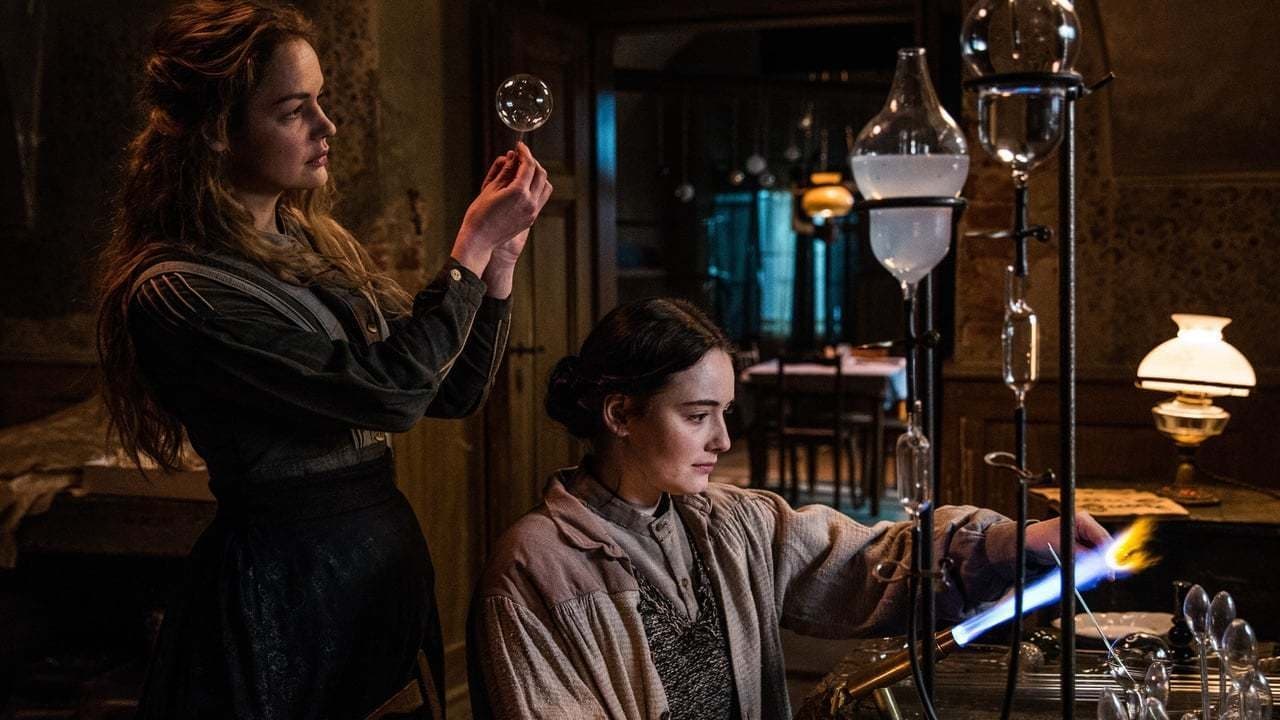 2016 · FilmThe Glassblower
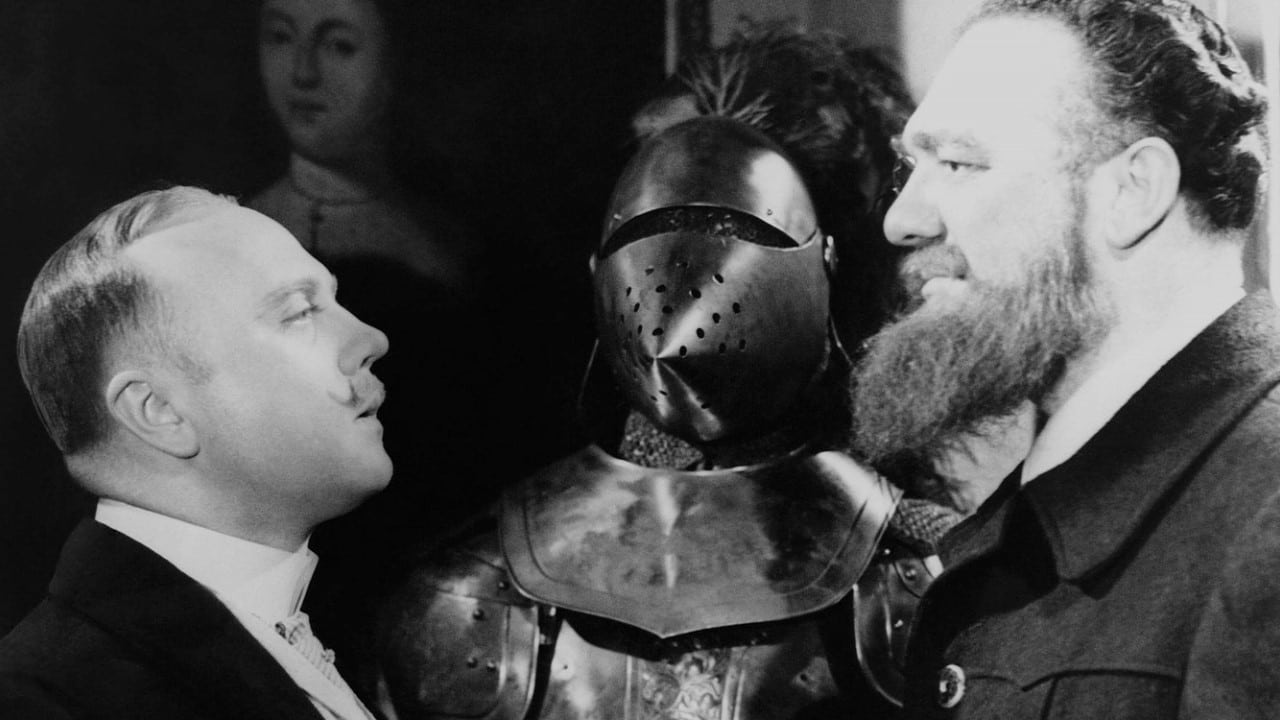 1951 · FilmThe Kaiser's Lackey
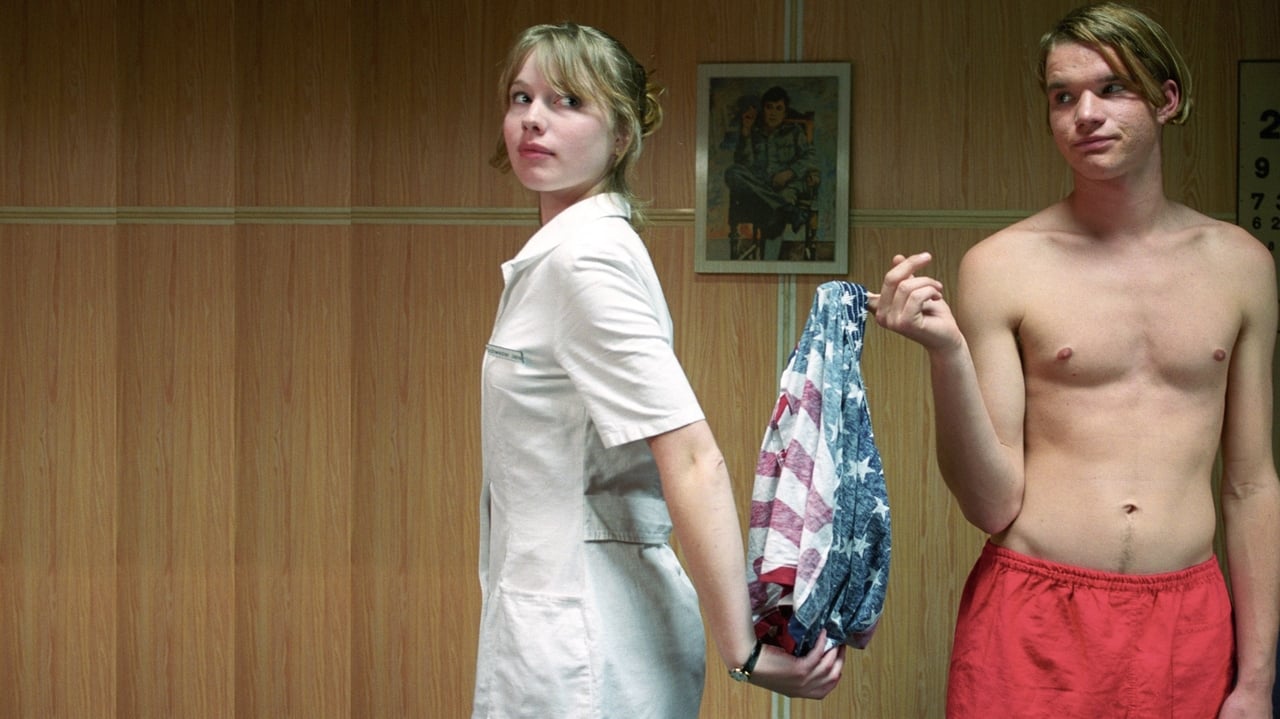 2004 · FilmKleinruppin Forever
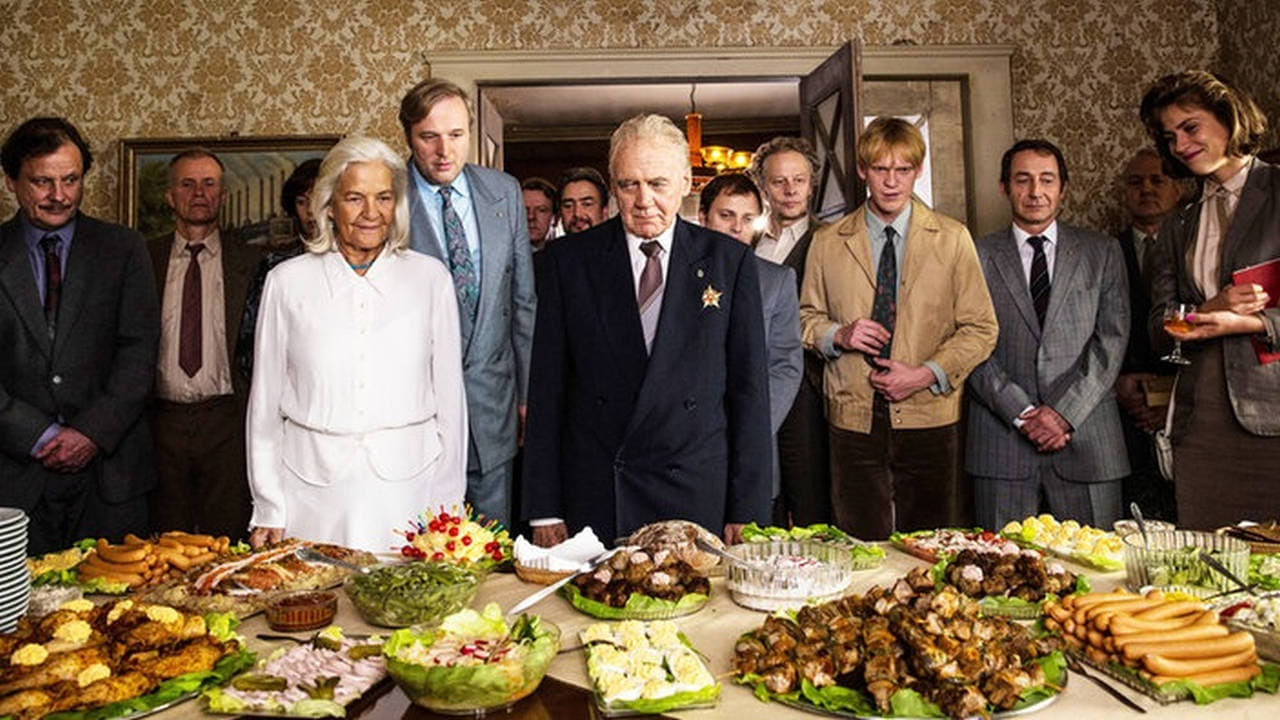 2017 · FilmIn Times of Fading Light
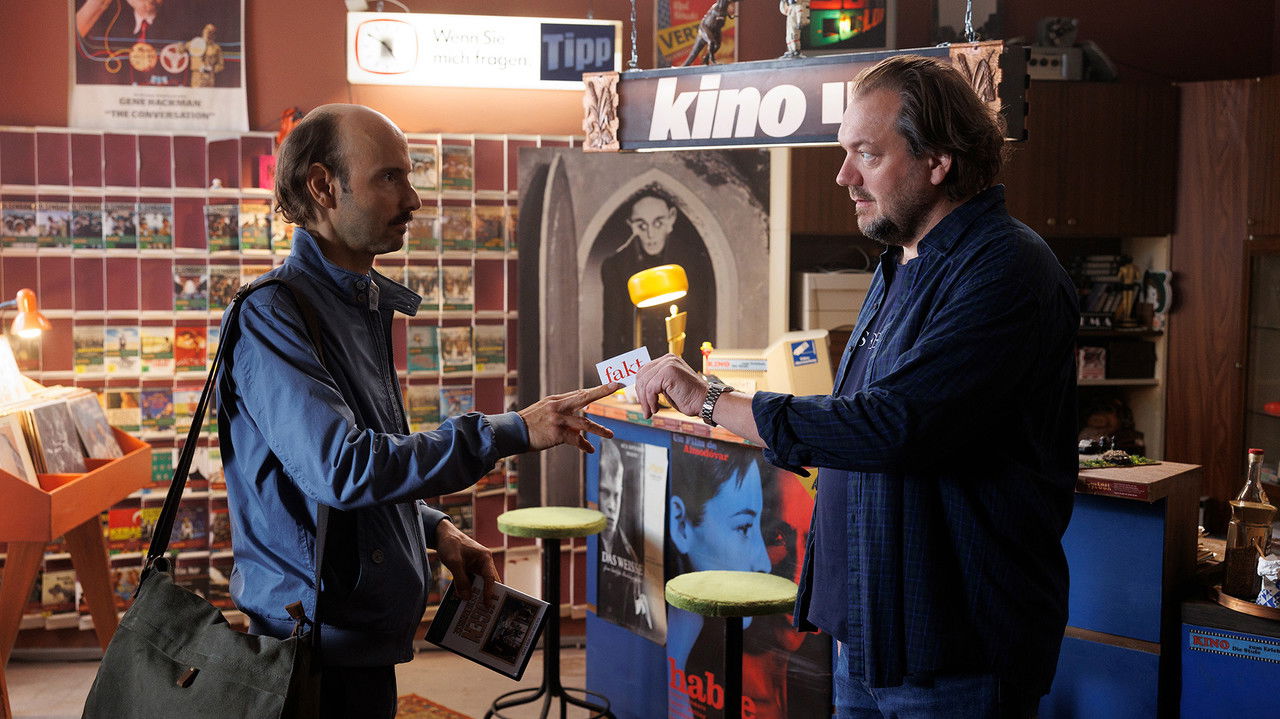 2025 · FilmBerlin Hero
For the family
View all 2016 · FilmWinnetou - A New World
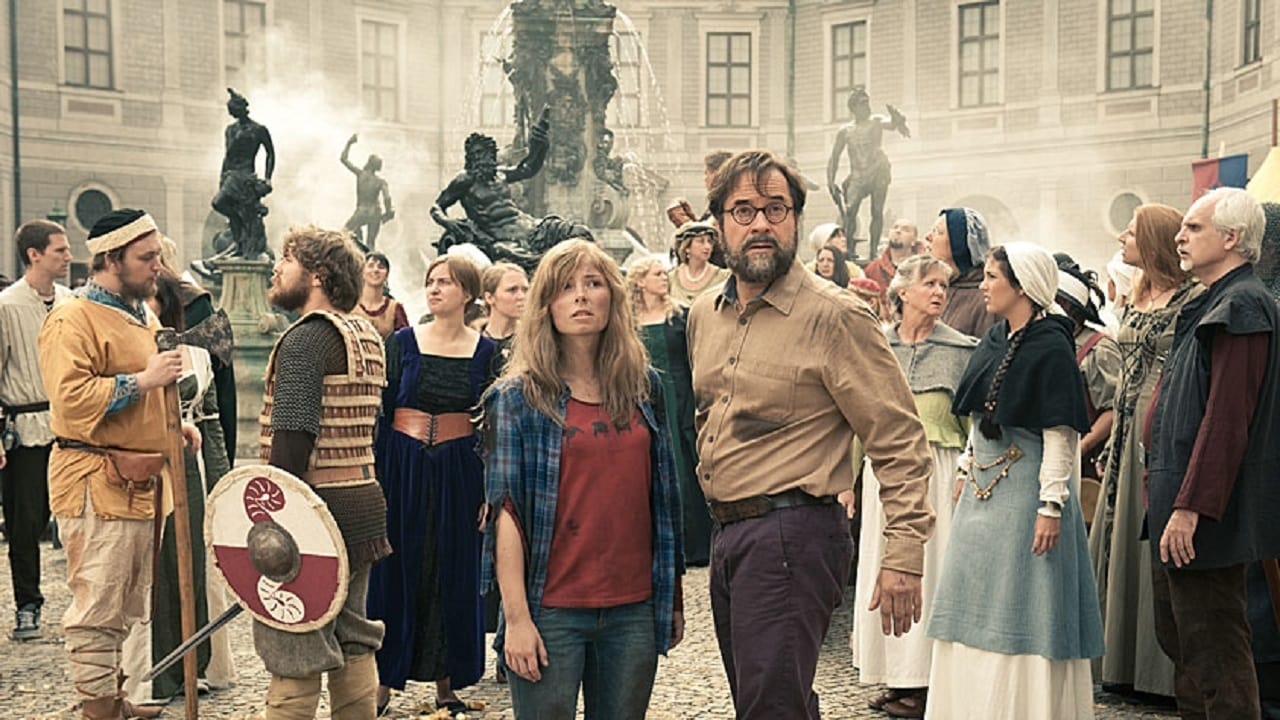 2015 · FilmMara and the Firebringer
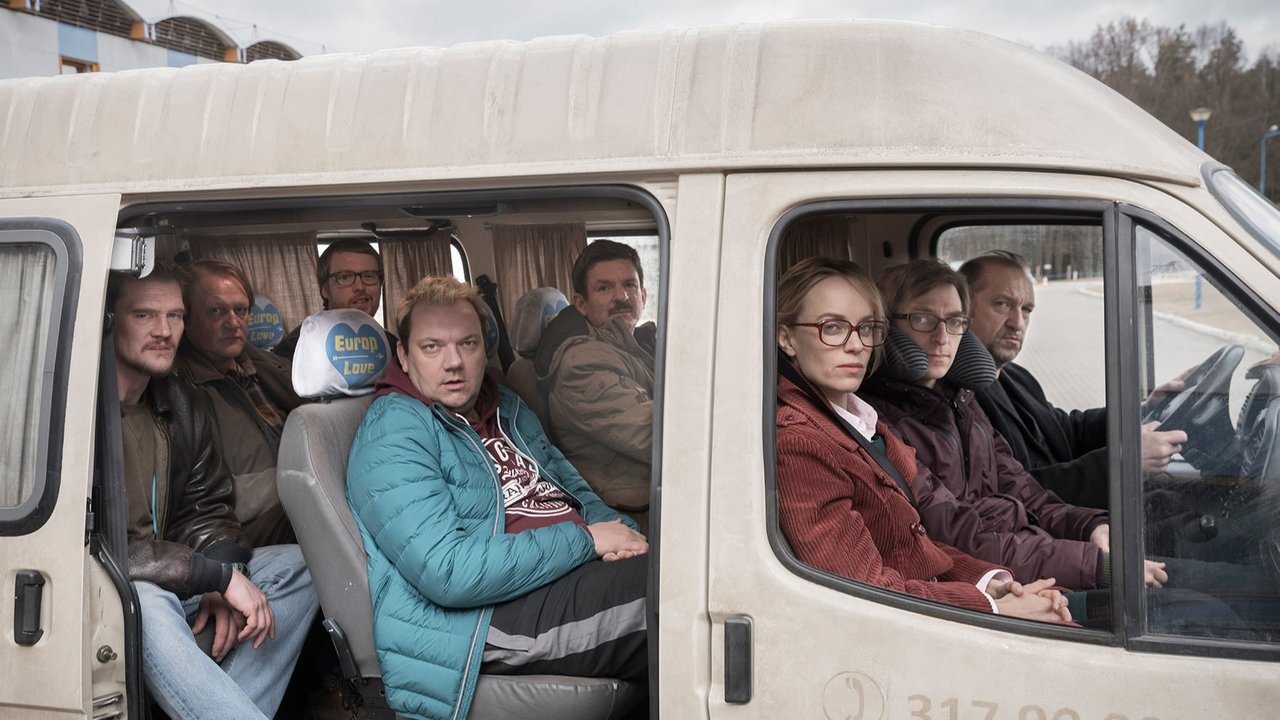 2017 · FilmJürgen - Heute wird gelebt
 1957 · FilmWitwer mit 5 Töchtern
 2019 · FilmRed Bracelets: The Beginning
 2017 · FilmDark Blue Girl
 2022 · FilmZwischen uns
 1958 · FilmVater, Mutter und neun Kinder
Classics of the fifties and sixties
View all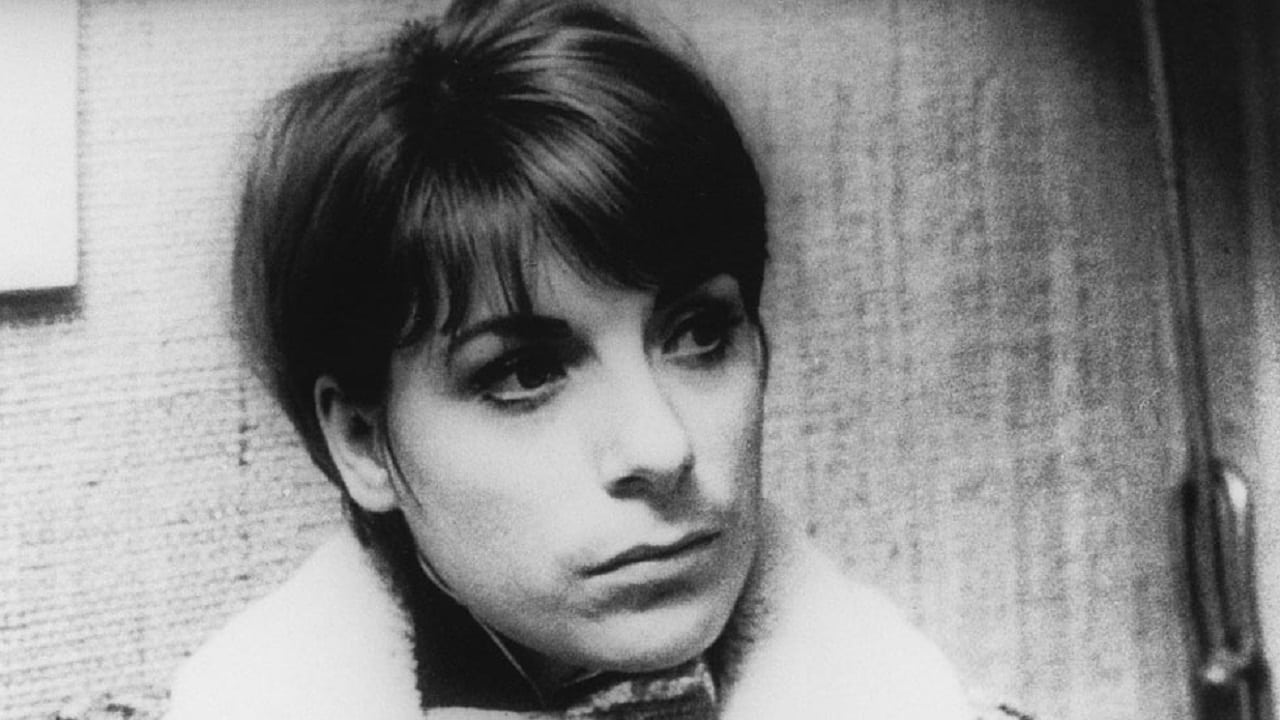 1968 · FilmArtists Under the Big Top: Perplexed
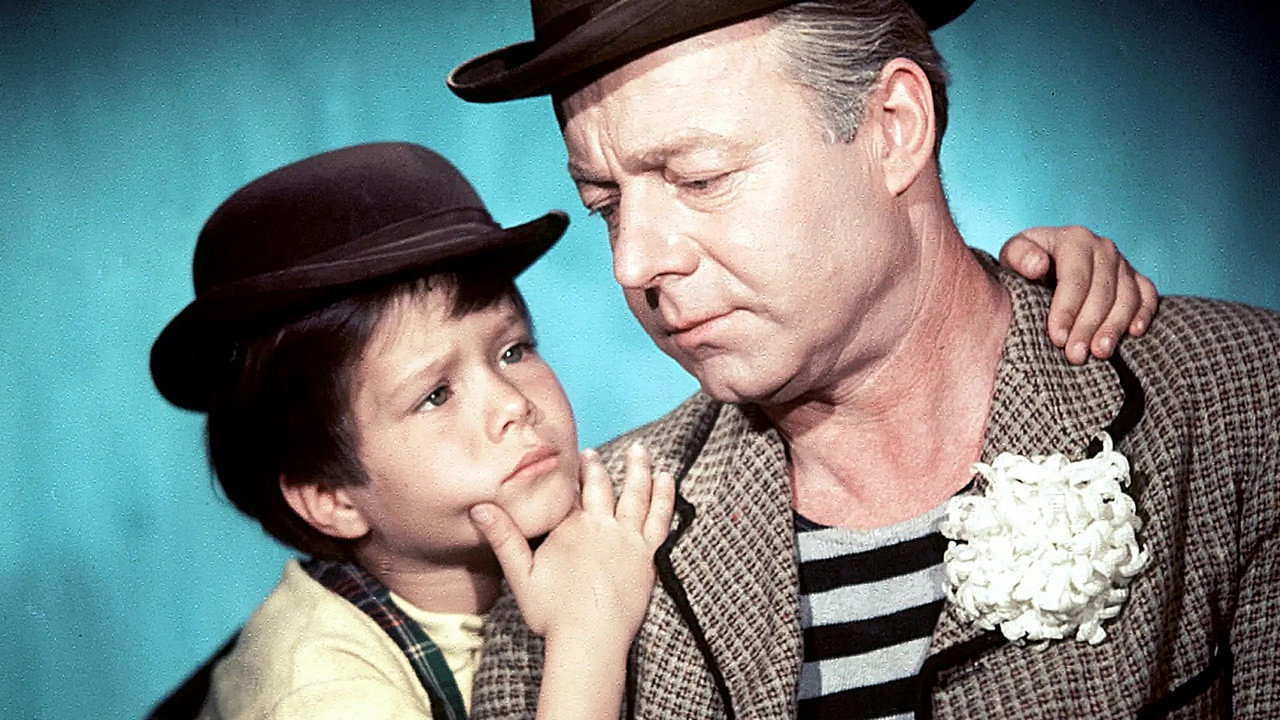 1955 · FilmIf the Father and the Son
 1962 · FilmKohlhiesel's Daughters
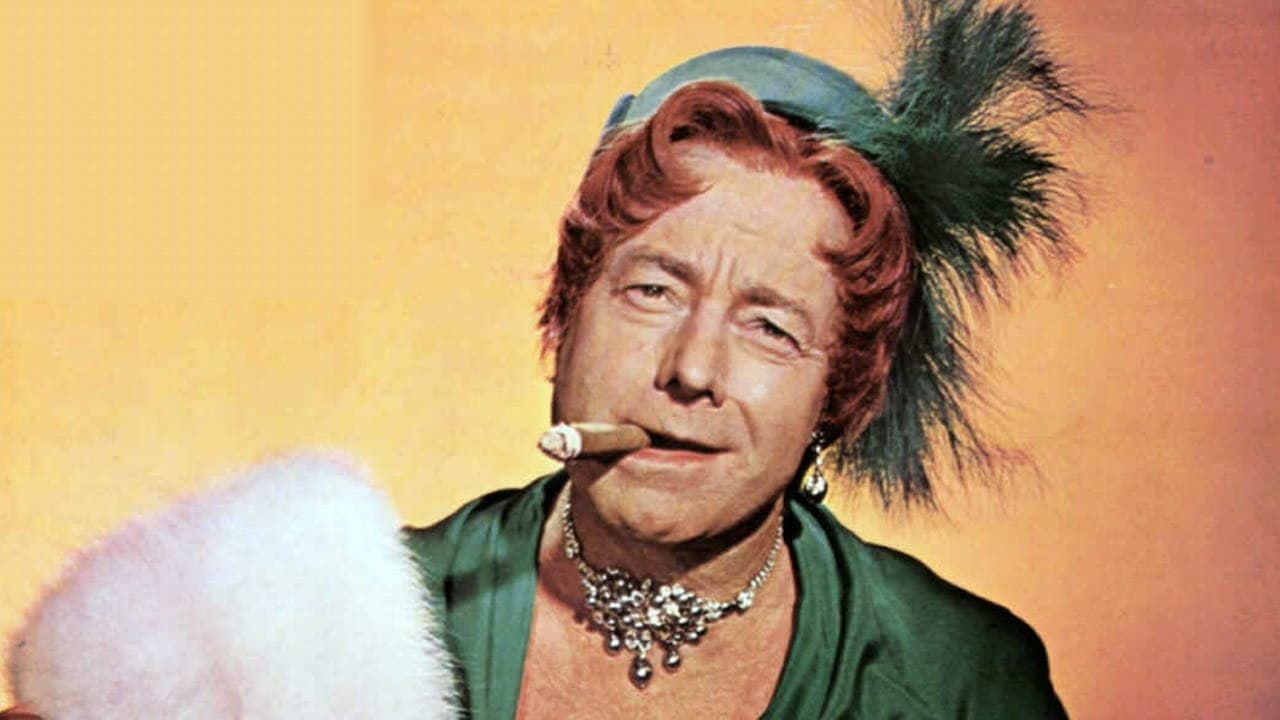 1956 · FilmCharley's Aunt
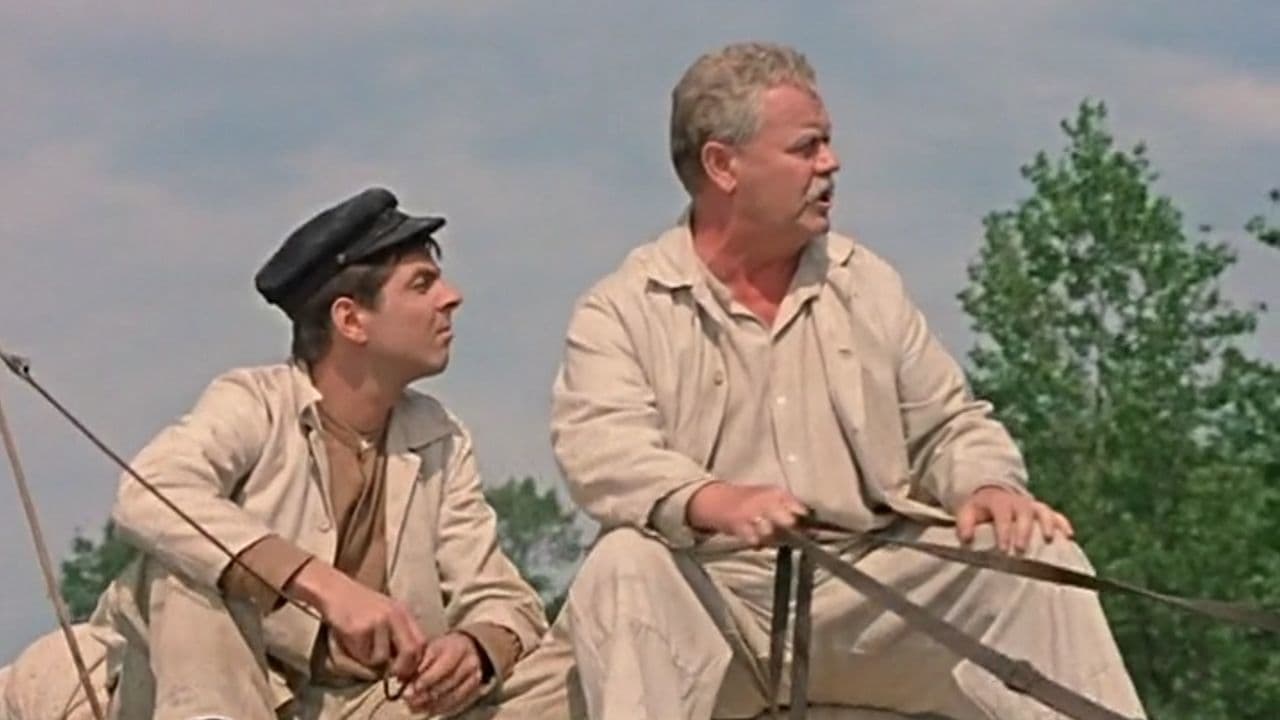 1967 · FilmThe Heathens of Kummerow
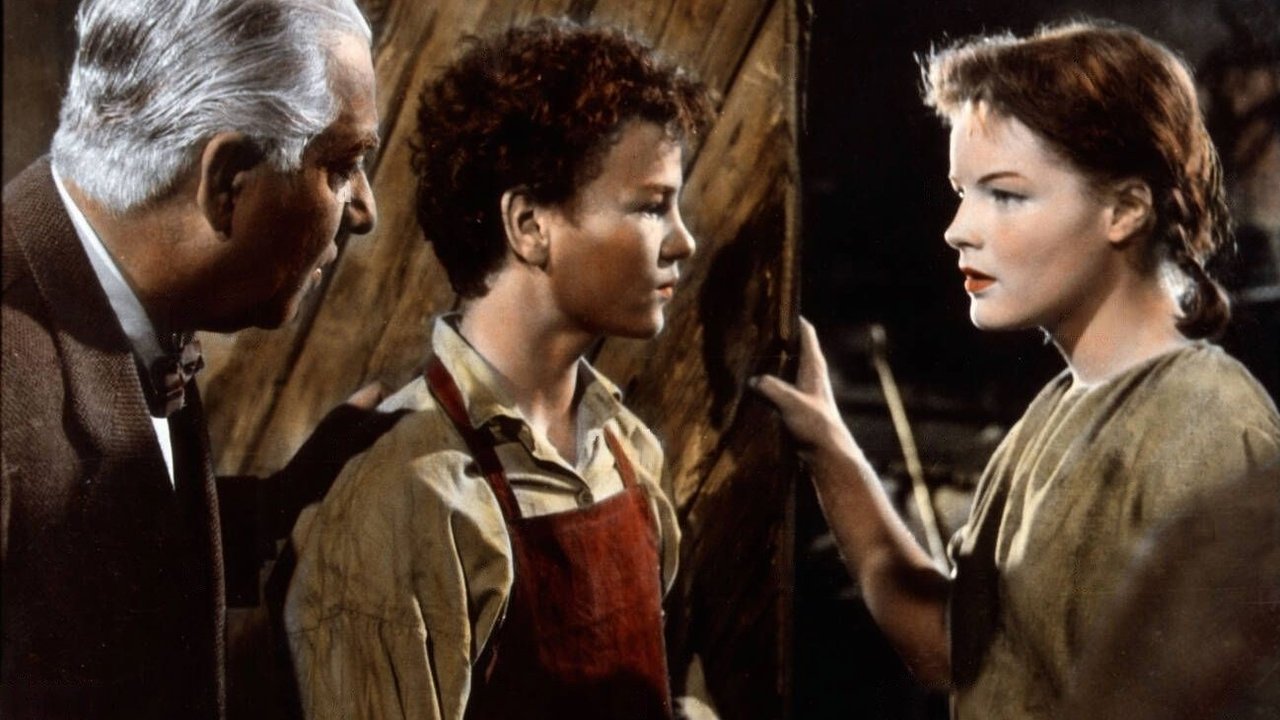 1957 · FilmThe Girl and the Legend
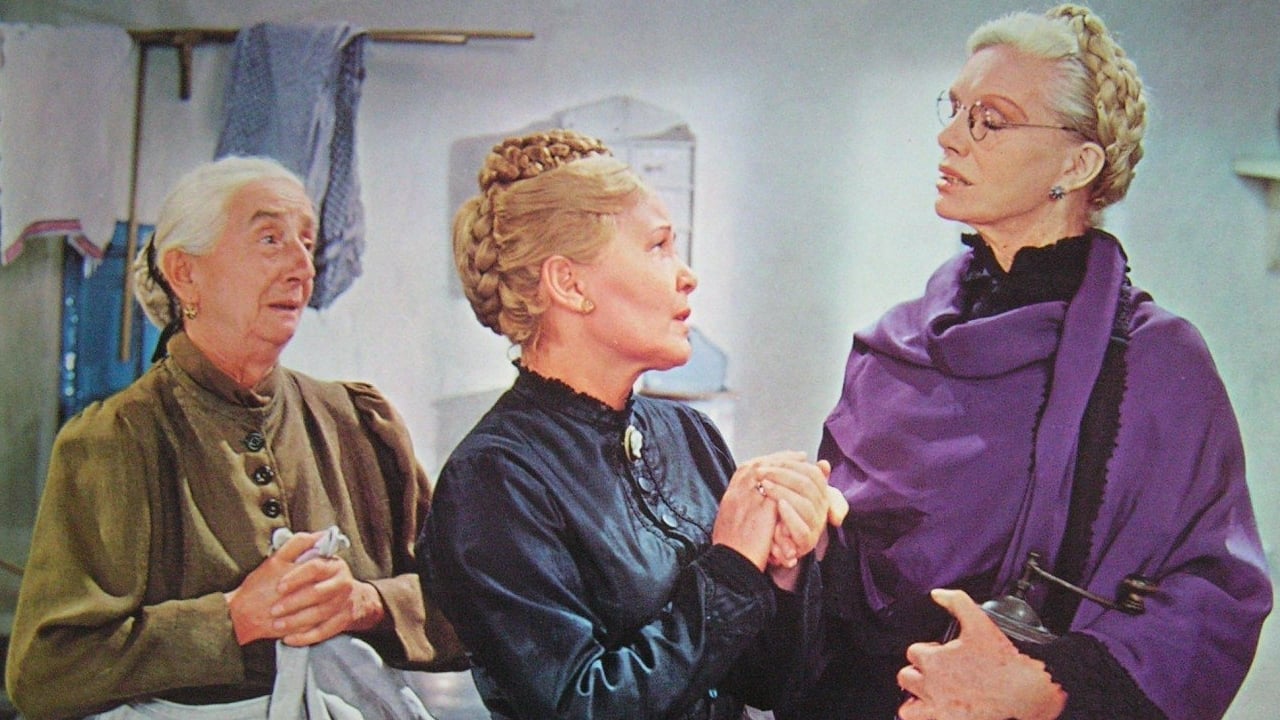 1965 · FilmTante Frieda - Neue Lausbubengeschichten
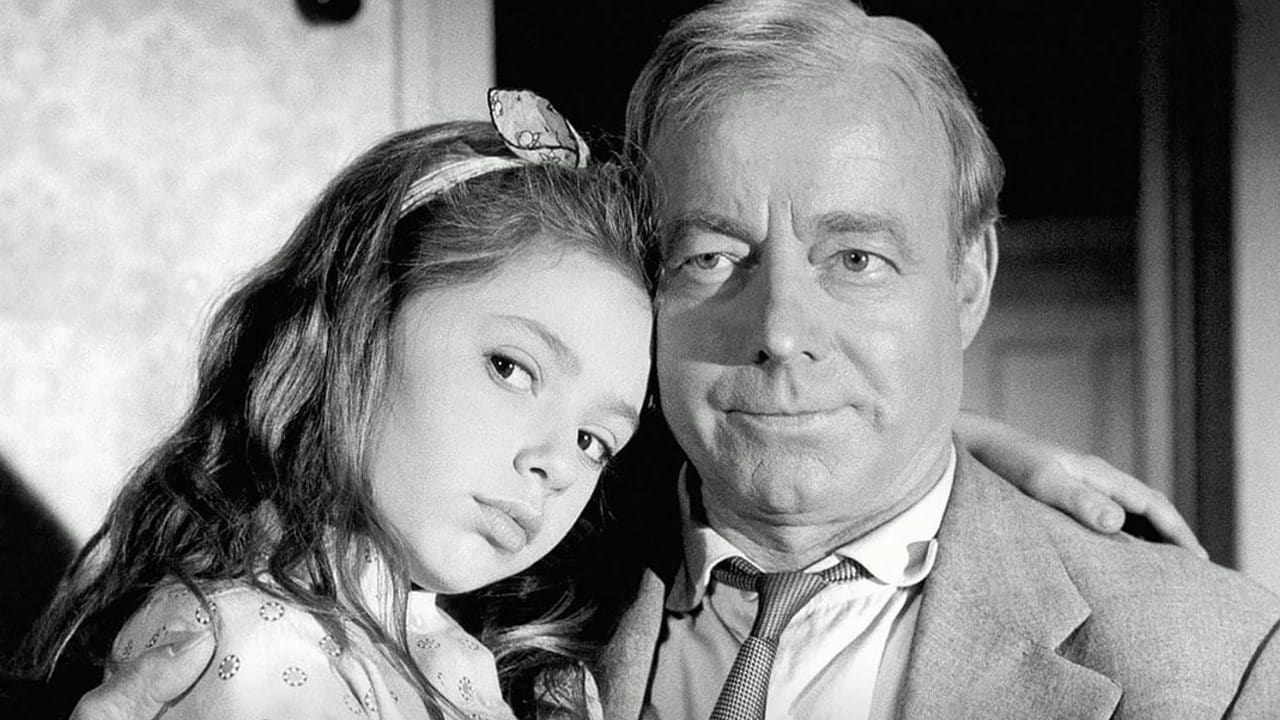 1961 · FilmThe Liar
Music
View all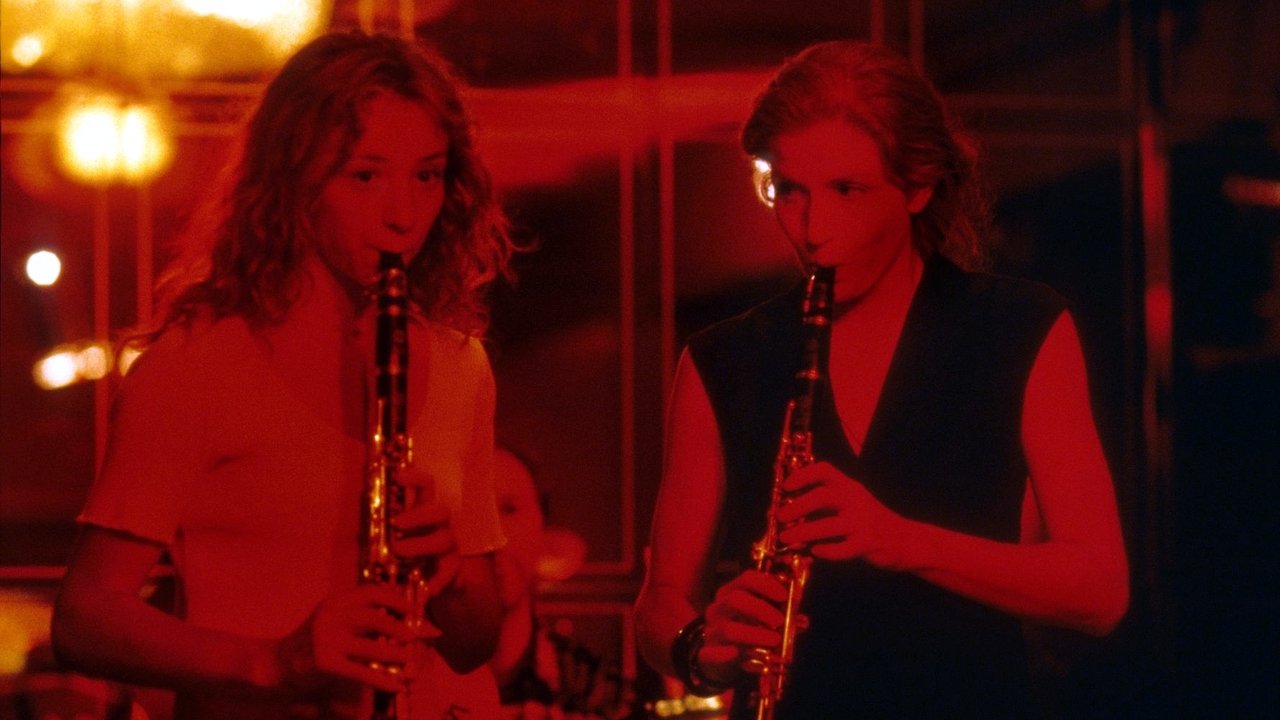 1996 · FilmBeyond Silence
 2023 · FilmRickerl
 2015 · FilmThe von Trapp Family: A Life of Music
 1986 · FilmJohnny Flash
Austria and Switzerland
View all 2021 · FilmChasing the Line
 2014 · FilmMacondo
 2004 · FilmMy Name Is Bach
 2026 · SeriesBraunschlag 1986
Recent films
View all 2022 · FilmCloud Under the Roof
 2017 · FilmThe Final Journey
 2020 · FilmThe Summer After Graduation
 2022 · FilmA Piece of Sky
 2019 · FilmOttilie von Faber-Castell - Eine mutige Frau
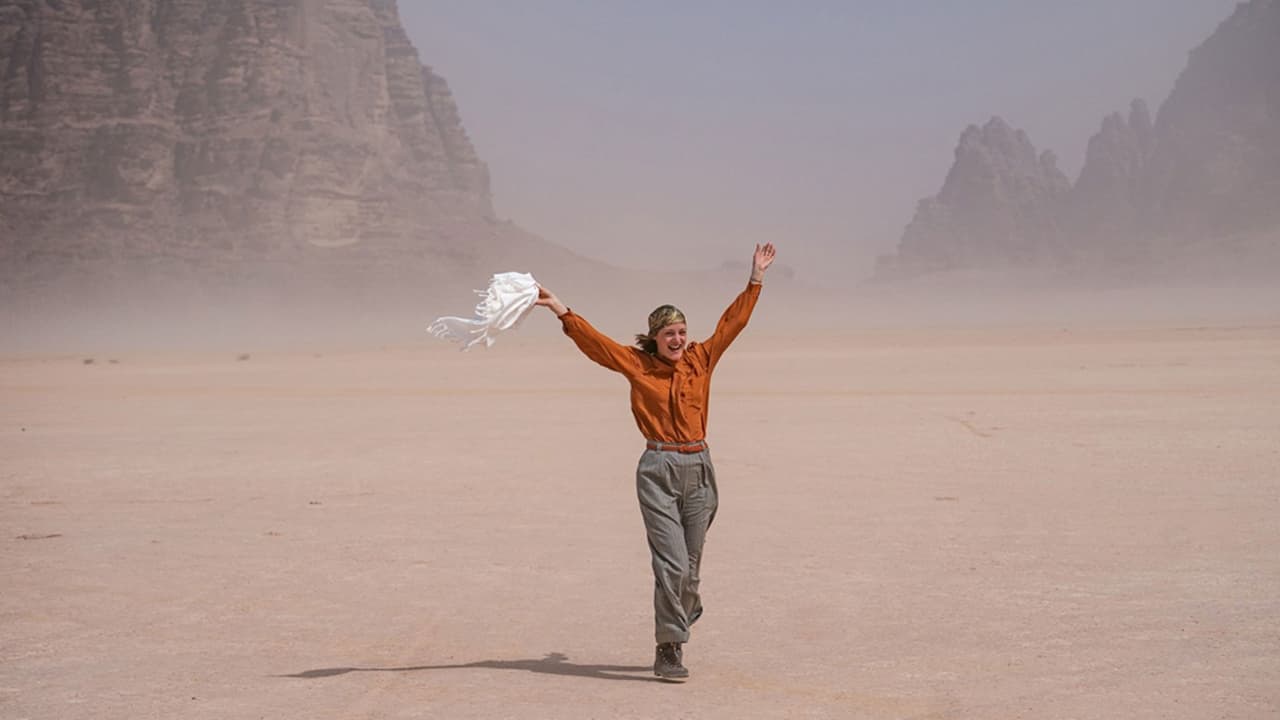 2023 · FilmIngeborg Bachmann – Journey into the Desert
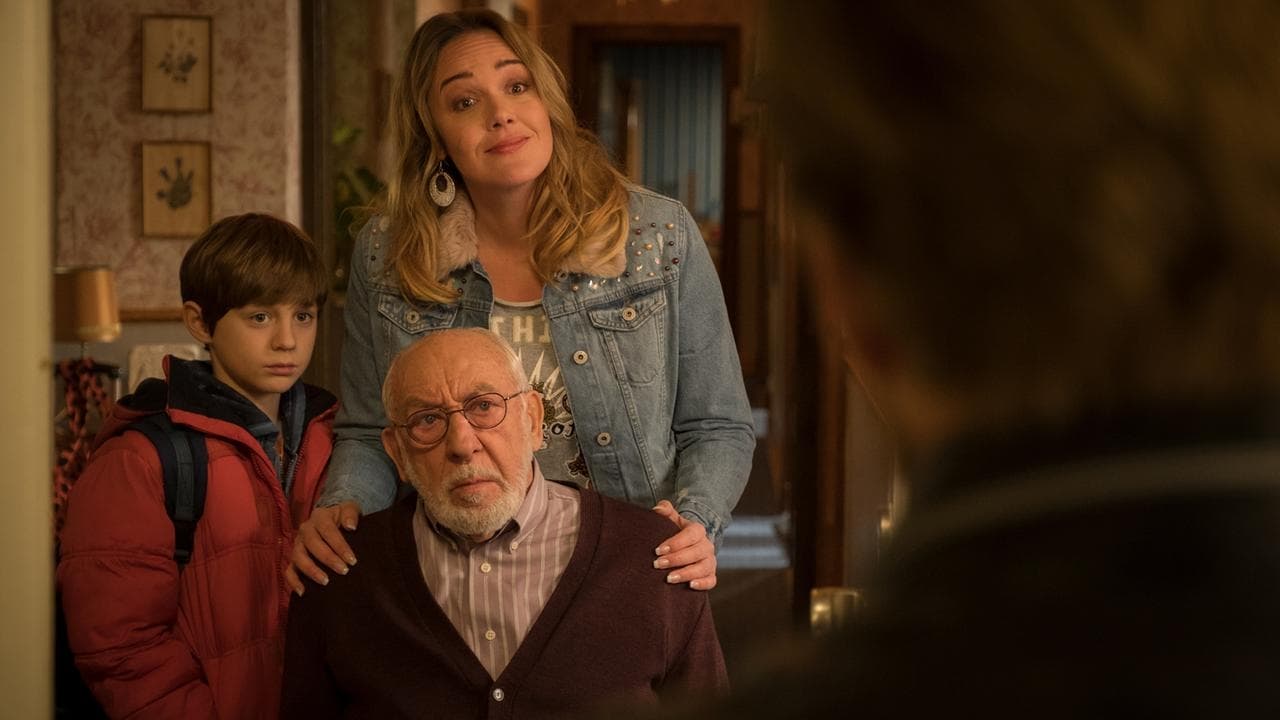 2019 · FilmBefriending the Grouch
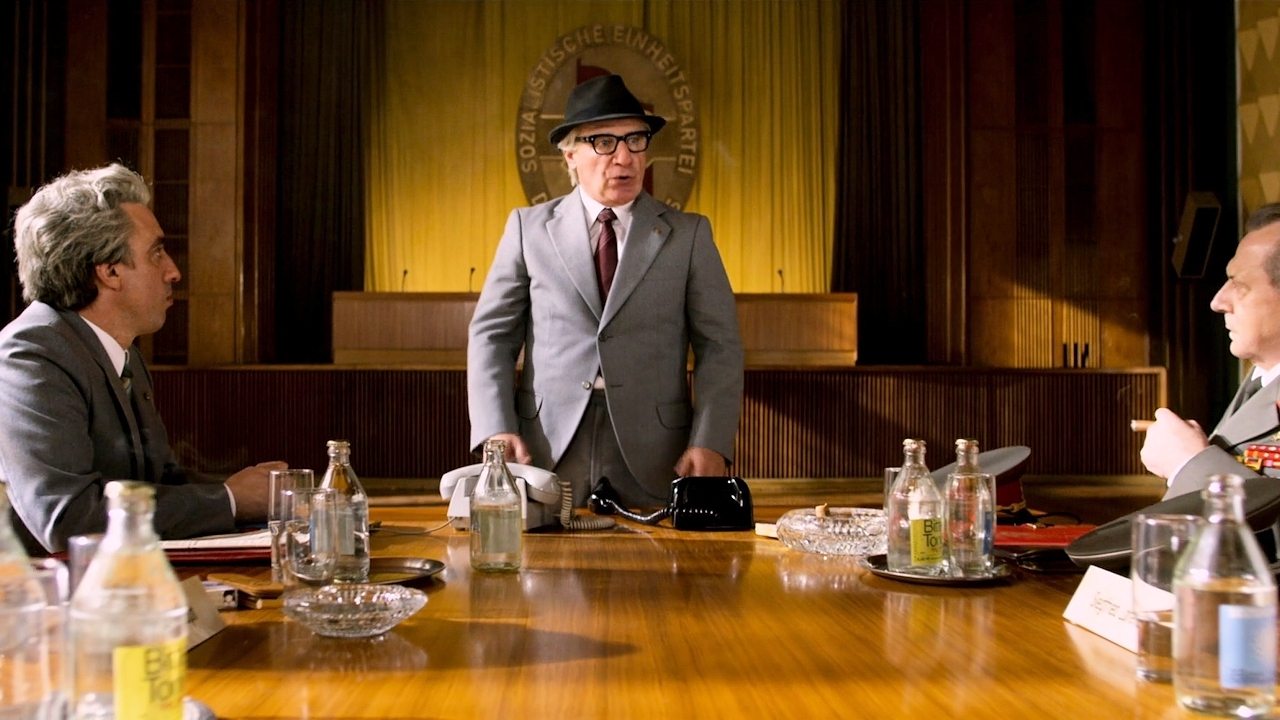 2017 · FilmForwards Ever!
The CorsFlix guide to German-language films and series
CorsFlix: German-language films and series, from The Silent Revolution, Contra and Measuring the World to Pappa ante Portas, Beyond Silence and The Goldfish
Around a hundred million people speak German as their mother tongue, in Germany, Austria and Switzerland, and they have been making films for as long as films have existed. Outside those countries the German-language cinema is known mainly for a few stern masterpieces. At home it is something far warmer: a tradition of gentle comedians, family stories, musical entertainments, mountain romances and, in recent years, sharp and funny films about modern life. CorsFlix is a guide to that home-grown tradition. It introduces 188 German-language films and series, all chosen so that a whole household can watch together, and each with a Watch now button that leads to the official services carrying it.
The catalogue holds 173 films and fifteen television series made between 1950 and 2026. One hundred and seventy titles come from Germany, east and west, and eighteen from Austria and Switzerland. One hundred and nine are comedies. This guide begins with the best places to start, then takes the comedies, the classics of the fifties and sixties, the true stories, the films about divided Germany, the music films, the choices for children, the Alpine countries, the dramas and the television films in turn, and ends with a note for parents, an account of the search and My List, and a plan for a first fortnight.
What CorsFlix is
CorsFlix is a viewing guide, and its pages hold descriptions in place of video. Every title has a page with the story, the year, the running time, the director, the leading cast and the original German title beside the English one, which is useful because many of these films are known abroad, if at all, under two or three different names. The Watch now button opens JustWatch, an independent directory of official services, for the country you choose; Germany, Austria and Switzerland head the list. JustWatch shows which subscriptions include the title and where it can be rented or bought. The how to watch page explains the steps.
The selection was made by hand from about twelve hundred candidates. Every summary was read, and the crime series for which German television is famous, the films of the battlefield, the horror pictures, the quiz and talk programmes and the dramas made for adults were set aside. A good many of the smaller films here have only a handful of votes on the public film database, which says more about how little German cinema is watched abroad than about the films.
Where to begin
Begin with Beyond Silence, the film that announced the director Caroline Link and was nominated for the Academy Award in 1998. Lara grows up in a small Bavarian town as the hearing daughter of deaf parents. From the age of eight she is their interpreter at the bank, at parents' evenings and on the telephone, and she is very good at it, shading the translation now and then in her own favour. Then an aunt gives her a clarinet, and Lara discovers a world of sound that her father, who loves her fiercely, can neither share nor quite forgive. The film is funny and tender about a family in which love has to cross a real divide, and the scenes in sign language are among its most eloquent.
For laughter, begin with Pappa ante Portas. Its author, director and star is Loriot, the pen name of Vicco von Bülow, the most beloved German humorist of the twentieth century, whose speciality was the catastrophe that unfolds with perfect politeness. Heinrich Lohse is a purchasing manager who has saved his firm money by ordering forty years' supply of typing paper in one go, and is promptly retired. At home he sets about reorganising his wife's household on business principles, beginning with the bulk purchase of mustard. Evelyn Hamann, Loriot's partner in countless sketches, plays the wife whose patience is tried and tried again. Germans can recite whole scenes, and visitors will learn more about German manners from it than from any textbook.
For a true story, begin with The Silent Revolution. In the autumn of 1956 a class of school leavers in an East German steel town hears, on a western radio station, of the uprising in Hungary, and decides to hold a minute's silence at the start of a lesson. The gesture is spontaneous and lasts sixty seconds, and it sets off an investigation that reaches the minister of education, who demands to know the name of the ringleader. The pupils refuse to give one. The film, taken from a memoir by one of the class, is a gripping account of ordinary young people discovering what solidarity costs, and it suits teenagers particularly well.
Comedy
One hundred and nine titles are comedies, and the comedy guide sorts them by period. The director Sönke Wortmann has become the master of the modern German ensemble comedy, in which a small group of articulate people is shut in a room until the truth comes out. In Contra a law professor with a sharp tongue, played by Christoph Maria Herbst, insults a first-year student in front of a full lecture hall, and to save his post must coach her for a national debating competition; the two detest each other and make a formidable team. Family Affairs reunites the quarrelsome relatives of an earlier hit at a holiday house on Lanzarote, where the mother of the family has news. Locked in Society takes place in a school staff room on a Friday afternoon, when a father arrives to argue for the single mark his son needs.
The Goldfish was a surprise success of 2019. A fund manager who lives in the fast lane wakes up in a rehabilitation clinic unable to walk, and falls in with the residents of a shared flat for people with disabilities, who turn out to be exactly the travelling companions he needs for a scheme of his own. The cast is splendid and the humour unsentimental. Because We Are Champions has a similar spirit: a professional basketball coach is ordered by a court to train a team of players with learning disabilities, and learns a good deal from them. Granny Nanny follows three pensioners who sign up as stand-in grandparents for busy families, and Kokowääh a screenwriter who discovers that he has an eight-year-old daughter with firm views on breakfast; its star and director, Til Schweiger, cast his own daughter in the part and also made Das Beste kommt noch!, about two old friends and a muddle over a medical report.
The meeting of cultures is a favourite subject. In Wedding Fever in Campobello a mild young German travels to the heel of Italy to marry his fiancée and meets her father's enormous, noisy and affectionate family; the father is played by the Italian comedian Lino Banfi. Three Quarter Moon pairs a grumpy Nuremberg taxi driver with a six-year-old Turkish girl whose grandmother has been taken to hospital, and Leroy is a witty satire about a Berlin teenager of African descent who plays the cello, quotes Goethe and falls for a girl with five alarming brothers. Pigeons on the Roof lets two actors, Katja Riemann and Olli Dittrich, play five different couples whose paths cross in one Berlin street.
Germany's great solo comedians each have a film here. Besides Loriot there is Otto Waalkes, the East Frisian jester whose records and films have amused three generations, in Otto - The Romance Film; Dieter Hallervorden, known to all as Didi, as a lorry driver with a troublesome load in Didi Drives Me Crazy and, thirty years on, as a retired teacher of fearsome temper in Befriending the Grouch; Hape Kerkeling as a man who wins a Norwegian fjord in a competition in A man, a fjord! and as a hapless would-be entertainer in the series Gisbert; and the musician and surrealist Helge Schneider in his first film, Johnny Flash. Jürgen - Heute wird gelebt and Prange are comedies of loneliness from the far north, with the wonderful Charly Hübner and Bjarne Mädel.
Other recent comedies worth seeking out are Move, which follows eight friends in their twenties through eleven changes of flat in a single year; Mostly Minimalistic, in which a woman who keeps everything shares a staircase with a young man who owns a hundred objects; 791 km, about five strangers obliged to share a taxi from Munich to Hamburg when the trains stop; The Summer After Graduation, in which three men of forty-five finally make the trip they planned at eighteen; Enlightenment Guaranteed, by Doris Dörrie, about two brothers who set off for a Zen monastery in Japan and lose everything on the first night in Tokyo; and When Inge Is Dancing, a teenage comedy about a punk band and the classmate it would rather avoid. Who Buries the Undertaker?, Time We Lost, Ein fast perfekter Antrag, Ein Schnitzel für drei and its sequel Ein Schnitzel für alle are further entertainments of the same good-natured kind.
The classics of the fifties and sixties
Thirty-eight films were made before 1970, and the classics guide introduces them. West German cinema in the 1950s was a cinema of consolation. Audiences who had lived through hard years wanted colour, music, mountains and laughter, and the studios in Munich, Berlin and Vienna supplied them in abundance. The films were dismissed by a later generation and are now enjoyed again for exactly the qualities that were held against them: craft, charm and a complete absence of cynicism.
The decade belonged to Heinz Rühmann, a small, quiet man with a hesitant smile who was the most popular German actor for sixty years. He specialised in the ordinary citizen who turns out to have unexpected reserves. In If the Father and the Son he is a former clown who has given up the ring and finds his gift again through a small boy; the lullaby he sings in it is known to every German child. In Charley's Aunt he puts on a wig and a crinoline in the famous English farce, and in Mailman Mueller, which he also directed, a postman's life is overturned by a legacy. The Man Who Walked Through the Wall, from a French story, gives a put-upon tax clerk the ability to pass through solid brick, and The House in Montevideo, from a play by Curt Goetz, presents a professor of impeccable morals, father of twelve, with an inheritance that comes with a most awkward condition. The Liar completes the set.
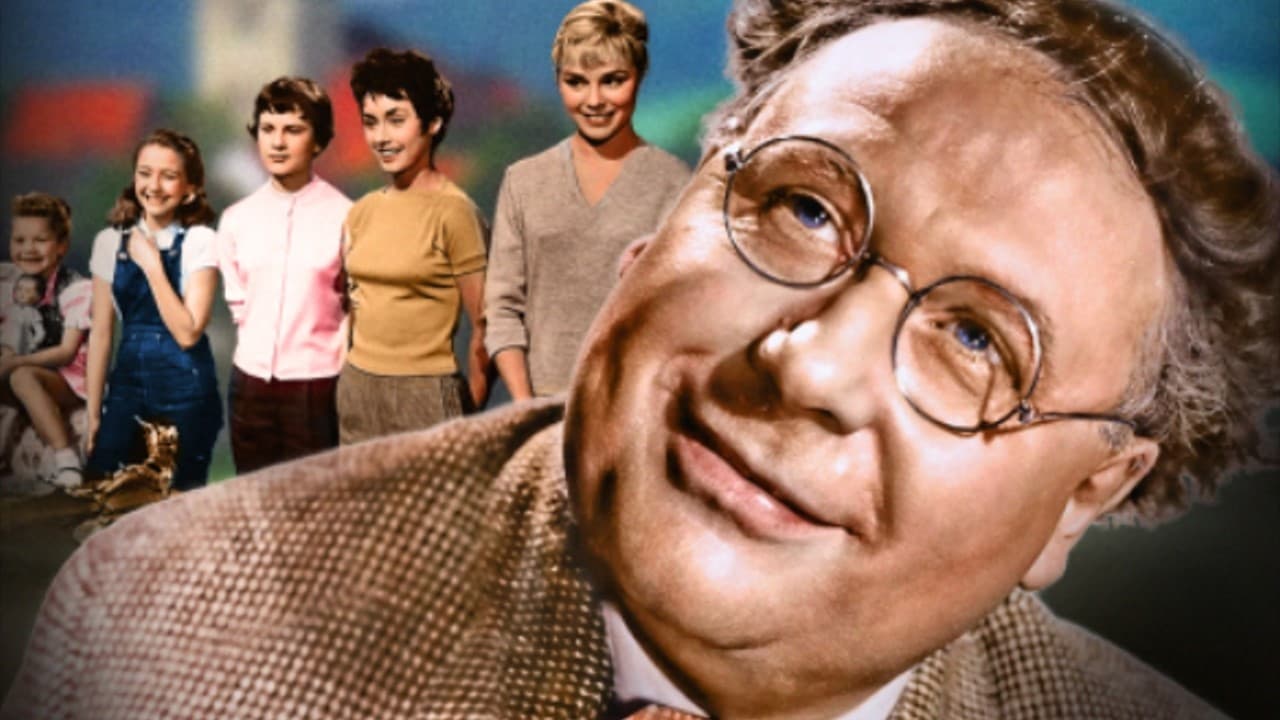
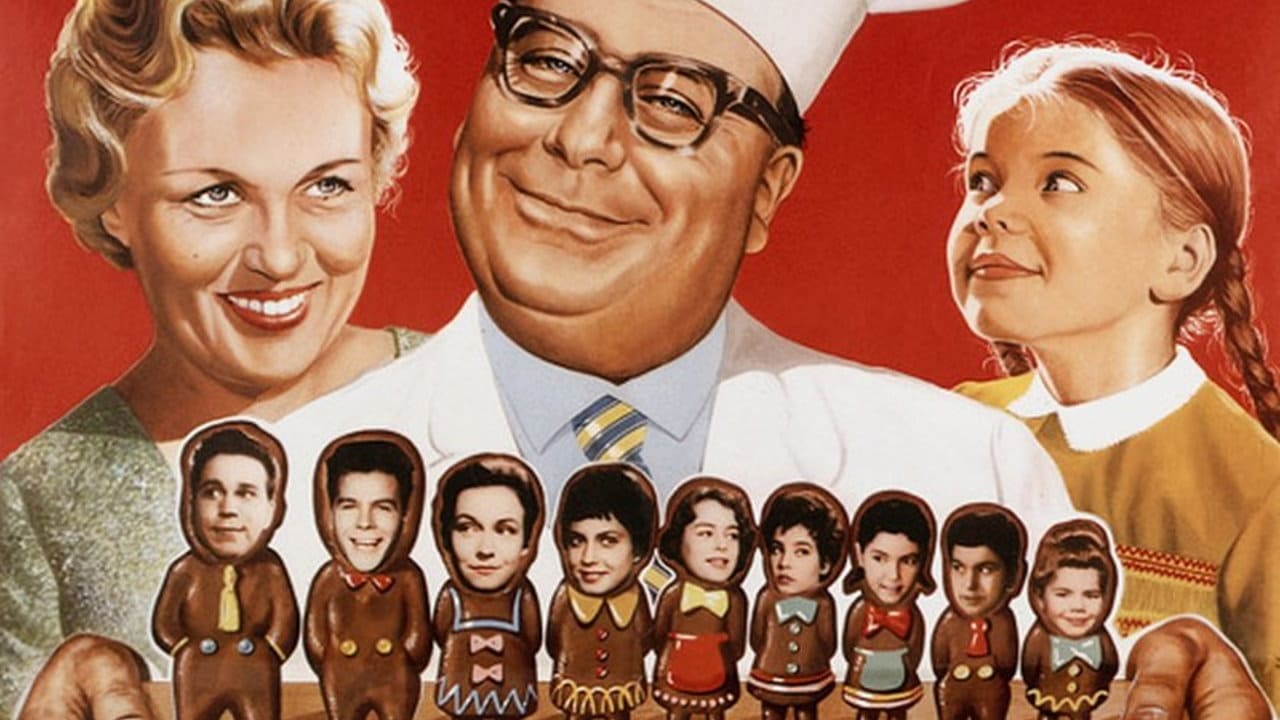
Heinz Erhardt was the other great comedian of the period, a plump, bespectacled master of puns and nonsense verse. He plays the father in Witwer mit 5 Töchtern, a castle librarian with five lively daughters, and in Vater, Mutter und neun Kinder, a baker approaching his silver wedding, and he fills the short film Geld sofort single-handed. From Vienna came Hans Moser and Paul Hörbiger, the muttering little man and the genial big one, who play two rival cab drivers in Hello Taxi.
The Heimatfilm, the homeland film, was the characteristic genre of the time: stories of village life, set among meadows and peaks, in which misunderstandings are cleared up in time for the harvest festival. The Black Forest Girl, released in 1950, was the first German colour film made after 1945 and one of the most successful German films of all time; sixteen million people saw it. Kohlhiesel's Daughters gives the delightful Swiss actress Liselotte Pulver a double role as an innkeeper's twin daughters, one elegant and one rough, and Wally of the Vultures films a famous Tyrolean novel about a headstrong farmer's daughter. Mein Schatz ist aus Tirol and Im singenden Rössel am Königssee offer lakes, inns and songs.
Music ran through everything. Fireworks, from 1954, is a musical comedy set in 1909, in which a prodigal son returns to his respectable family as the director of a circus; Lilli Palmer sings the song about her papa that went round the world, and a very young Romy Schneider plays the daughter who wants to run away with the big top. Schneider had made her debut a year earlier, at fourteen, beside her mother in When the White Lilacs Bloom Again, and she stars with Horst Buchholz in The Girl and the Legend, in which the children of eighteenth-century London come to the aid of the aged author of Robinson Crusoe. The pop singers of the day had their own vehicles: Freddy Quinn in Freddy unter fremden Sternen, Peter Alexander as a teacher at a girls' school in ... und sowas muß um 8 ins Bett, Caterina Valente in Snow White and the Seven Jugglers, and Roy Black in Unser Doktor ist der Beste. The Dream of Lieschen Müller, by the distinguished director Helmut Käutner, is a satirical musical about an office girl's daydreams.
Two films stand apart from the cosy mainstream. The Kaiser's Lackey, made in East Berlin in 1951 from the novel by Heinrich Mann, follows Diederich Hessling from timid schoolboy to pompous factory owner in the Germany of the 1890s, bowing to everyone above him and bullying everyone below. It is a brilliant, biting comedy, and its director, Wolfgang Staudte, gave it a visual wit that few German films of the time can match. Artists Under the Big Top: Perplexed, by Alexander Kluge, won the Golden Lion at Venice in 1968 with its collage-like story of a young woman who inherits a circus and wants to reform it; it is for the adventurous.
History and true stories
Thirty-seven titles are drawn from history, and the history guide groups them. German film-makers have a particular gift for the true story told on a human scale. Measuring the World, from the best-selling novel by Daniel Kehlmann, sets side by side two geniuses of the early nineteenth century who could hardly be less alike: Alexander von Humboldt, who climbs volcanoes and paddles up the Orinoco to measure everything he sees, and the mathematician Carl Friedrich Gauss, who discovers the shape of space while sitting at home in Göttingen and resents having to leave it. Leibniz – Chronicle of a Lost Painting, made by the veteran director Edgar Reitz at the age of ninety-two, imagines the philosopher sitting for his portrait and talking with the painter about what a picture can know.
Carl & Bertha tells how Bertha Benz, in August 1888, took her husband's motor carriage out of the workshop while he slept and drove it a hundred kilometres to her mother's, buying fuel at a chemist's shop on the way, to prove that the invention worked. The Hunt for Troy follows the merchant Heinrich Schliemann and his conviction that Homer's city was real. The Glassblower is set in the Thuringian village where glass Christmas baubles were invented, and concerns two sisters who take up a craft reserved for men. Ottilie von Faber-Castell - Eine mutige Frau is about the sixteen-year-old heiress to a famous pencil factory, and Hallo Betty about the copywriter who in 1956 invented Switzerland's favourite fictional cook.
Several films honour civil courage. In Rabiye Kurnaz vs. George W. Bush, which won two prizes at the Berlin festival, a Turkish-German housewife from Bremen, cheerful, talkative and utterly determined, spends five years fighting through the courts of two continents for her son, held far away, with a careful human-rights lawyer at her side; it is a serious subject treated with great warmth and humour. Strike, by Volker Schlöndorff, portrays the crane operator whose dismissal from a Polish shipyard in 1980 set a whole movement in motion. Shillings from Heaven tells the remarkable story of an Austrian mayor who, in the depths of the depression of 1932, printed his own town money and put everybody back to work, and Keiner schiebt uns weg that of three women in a photo laboratory in 1979 who discover what their male colleagues are paid. 55 Steps, an international production with Helena Bonham Carter and Hilary Swank, recounts a landmark case about patients' rights.
Great rescues and disasters have been a staple of German event television. Das Wunder von Lengede recreates the fortnight in 1963 when eleven miners were brought alive from a flooded iron mine, long after hope had gone, by a drilling operation the whole country followed on live television. Der Untergang der Pamir recalls the loss of a great sailing ship in an Atlantic hurricane in 1957, and Volcano imagines an eruption in the Eifel hills. Sport provides Chasing the Line, about the Austrian skier Franz Klammer and the two minutes of the Olympic downhill of 1976; Birth of a Champion, about the seventeen-year-old Boris Becker at Wimbledon in 1985; Adam's Eight, about the schoolteacher who revolutionised rowing; and Nanga Parbat, a mountaineering drama about two brothers on one of the highest peaks on earth, which ends in loss and is best for older viewers.
Divided Germany
For forty years there were two German states and two German film industries, and the divided Germany guide gathers the titles that deal with the fact. The East German studio, at Babelsberg outside Berlin, is represented by The Kaiser's Lackey; by ...And Your Love Too, shot on the streets of Berlin in the very weeks of August 1961 when the wall went up; and by its children's films, of which more below.
Since reunification the subject has been treated in every key. Kleinruppin Forever is a comedy of 1985 in which a spoiled tennis prodigy from Bremen, on a school trip to the east, meets a twin brother whose existence is news to him and wakes up to find they have changed places. Forwards Ever! is a farce set in October 1989, in which an actor rehearsing the role of the head of state is pressed into impersonating him in earnest. Berlin Hero, the last film of the director Wolfgang Becker, concerns the owner of a failing video shop whom a journalist wrongly celebrates as the brains behind a famous escape. Westwind is the true story of twin sisters, promising rowers, who meet two boys from Hamburg at a training camp in Hungary in the summer of 1988. In Times of Fading Light gathers a family around the ninetieth birthday of its patriarch, played by Bruno Ganz, in the autumn of 1989, when everyone at the table knows that an era is ending and only he has yet to notice. Beyond the Blue Border, from a novel for young adults, follows two friends who decide to swim for the west, and Lilly unter den Linden a thirteen-year-old from Hamburg who wants to move the other way, to her aunt in Jena.
Music
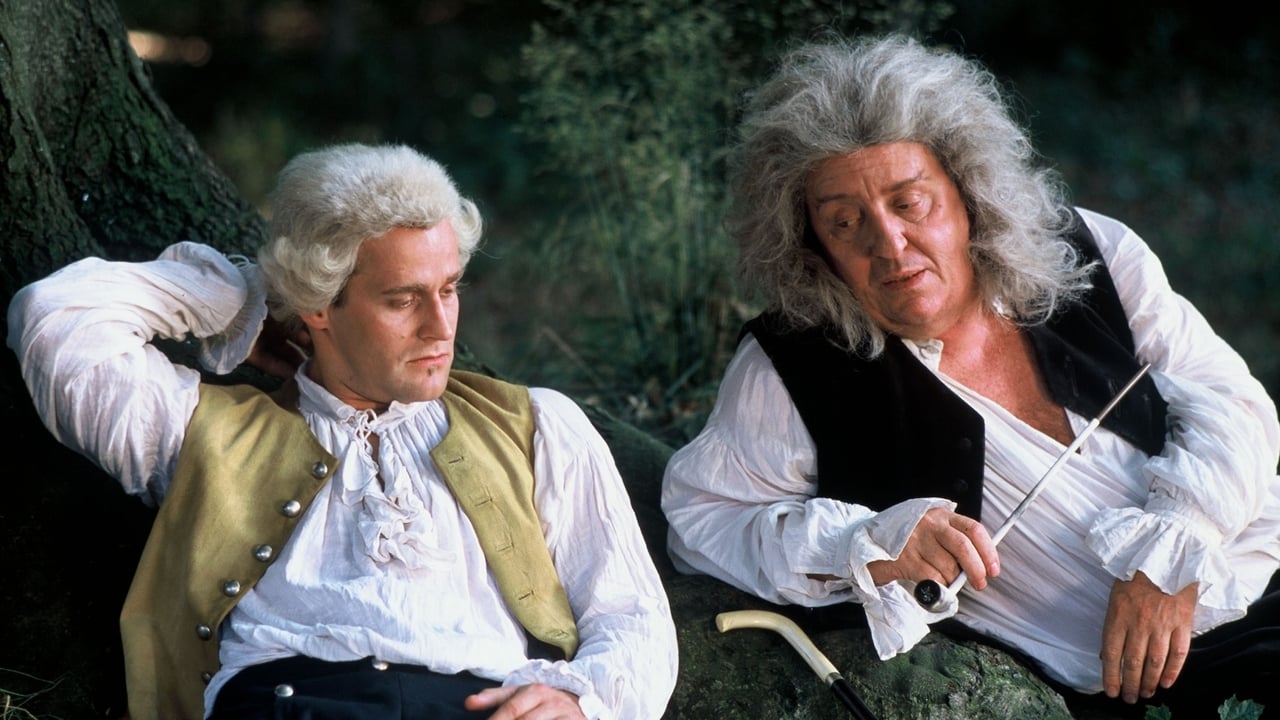
Twenty-four titles are about music, and the music guide describes them. It would be strange if the language of Bach, Beethoven and Schubert had failed to film its composers. Louis van Beethoven, made for the two hundred and fiftieth anniversary of his birth, shows the composer at three ages: the eight-year-old prodigy of Bonn, called Louis by his family; the young man who sets out for Vienna; and the deaf, difficult master of the last years, played by Tobias Moretti. My Name Is Bach imagines the week in 1747 when the old cantor of Leipzig visited the young King Frederick of Prussia at Potsdam and was handed a theme on which to improvise, a battle of wills between two proud men that produced a masterpiece. The four-part television series Johann Sebastian Bach, made in Leipzig in 1985, tells the whole life. The House of the Three Girls is a Viennese operetta-film about Franz Schubert and his circle.
The stage itself is preserved in three famous recordings. The Barber of Seville, directed for the camera by Jean-Pierre Ponnelle with the baritone Hermann Prey, is among the most admired opera films ever made. Die Fledermaus captures a New Year performance of the Strauss operetta with Kiri Te Kanawa, and Swan Lake, filmed in Vienna in 1966, pairs Margot Fonteyn with Rudolf Nureyev at the height of their partnership.
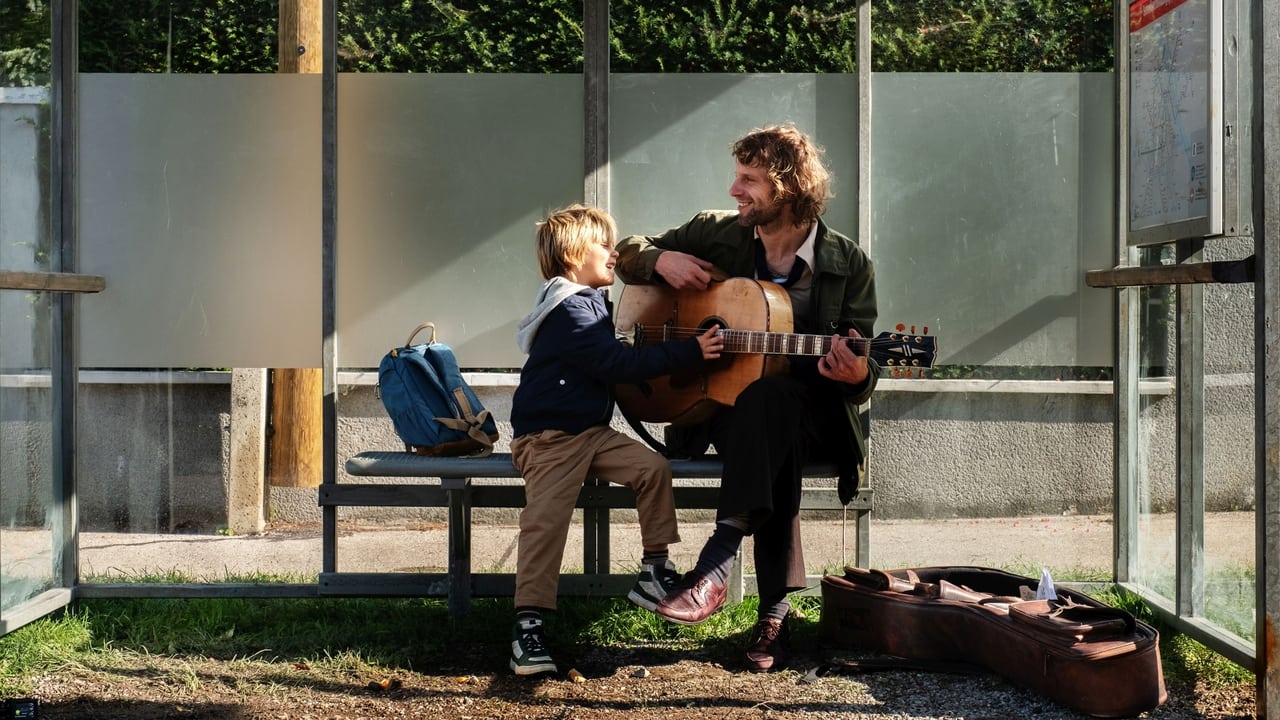
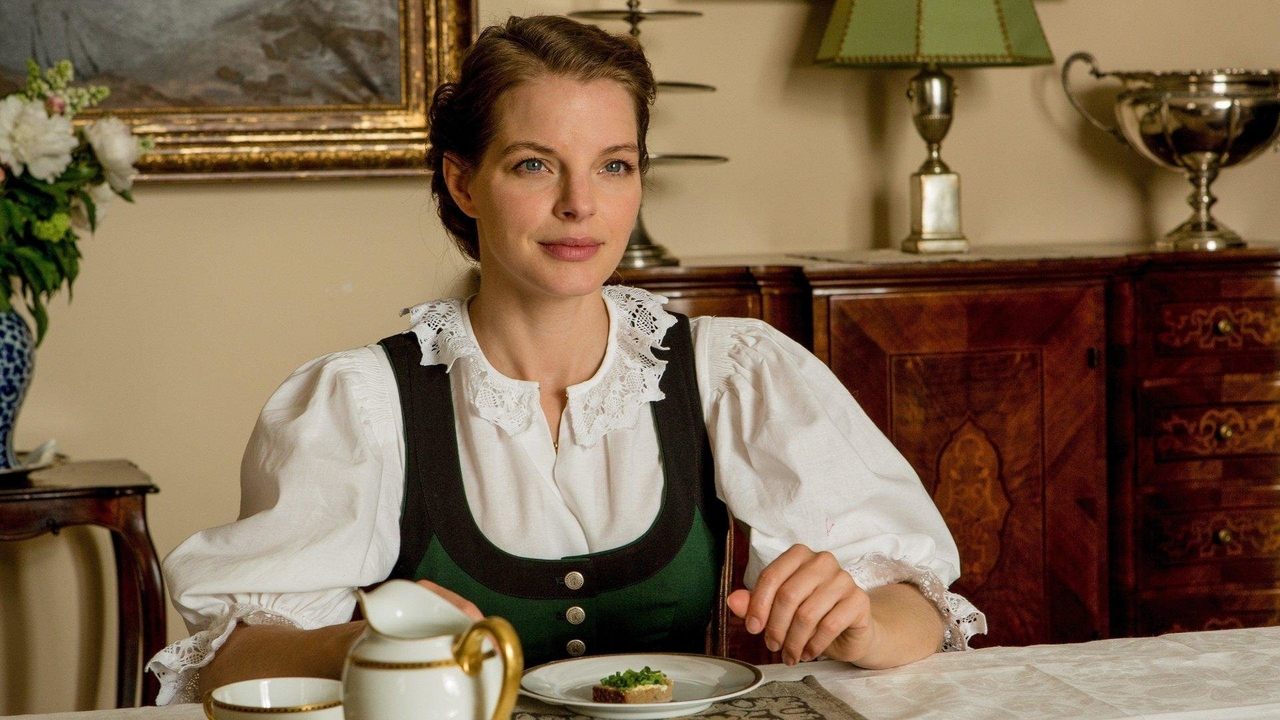
The Trapp family, whose story the world knows from an American musical, was first filmed in Germany. The Trapp Family, from 1956, with Ruth Leuwerik as the novice who becomes governess to a widowed captain's seven children, was a huge success and inspired the Broadway show; The Trapp Family in America continued the story two years later, and The von Trapp Family: A Life of Music, from 2015, retells it from the point of view of the eldest daughter. At the other end of the scale, Rickerl is a small, loving portrait of a Viennese pub singer with a guitar, a notebook of songs and a little son he adores.
Family viewing
Thirty-six titles are suggested for watching with children, and the family viewing guide sorts them by age. The East German studio made fairy-tale films of great beauty, and The Prince Beyond the Seven Seas, a version of the story known in English as Beauty and the Beast, shows the house style at its best. Rumpelstilzchen, from 1962, is a brightly coloured telling of the Grimm tale, and Tambari the adventure of a group of children on the Baltic coast who restore an old fishing boat. Urmel aus dem Eis brings to the stage a much-loved children's book about a little dinosaur hatched on a tropical island where a professor teaches animals to speak.
For adventure there is The Adventures of Huck Finn, a handsome German version of Mark Twain's novel with a raft, a river and two fine young actors; Winnetou - A New World, the first part of a three-film retelling of the stories of Karl May, whose novels about a German surveyor and an Apache chief have been read by every German child for more than a century; and Mara and the Firebringer, in which a fifteen-year-old from Munich learns that she is a seer and must deal with the figures of Norse legend. The Charlemagne Code is a treasure hunt across Germany's cathedrals and castles.
School stories include Tante Frieda - Neue Lausbubengeschichten, from the Bavarian writer Ludwig Thoma's tales of a schoolboy rascal around 1900, and The Heathens of Kummerow, set in a northern village of the same period. Max Minsky and Me is a charming Berlin comedy about a thirteen-year-old who loves astronomy and enlists the school's best basketball player as her coach. Among the family comedies, Hilfe, wir sind offline! deprives a household of its telephones for a month, and Plötzlich Onkel and Überleben an der Wickelfront leave unprepared men in charge of small children. The television series Nicht von schlechten Eltern, about a naval officer's family that moves to Bremen, and Axel! are for viewers of school age.
Austria and Switzerland
Eighteen titles come from Austria and Switzerland, and the Alpine guide lists them. Vienna had a film industry of its own with a style of its own, sweeter and more musical than the German. Vienna, City of My Dreams was the last film of Willi Forst, the master of the Viennese musical comedy, and Hello Taxi preserves two of the city's best-loved actors. The House of the Three Girls and Im singenden Rössel am Königssee belong to the same world. Modern Austria appears in Rickerl, in the true stories Chasing the Line and Shillings from Heaven, and in Macondo, a moving film about an eleven-year-old Chechen boy growing up in a refugee settlement on the edge of Vienna.
Swiss cinema in the national dialect had its golden age in the 1950s, and its leading director was Kurt Früh. The Zürrer Bakery is his portrait of a widowed baker in a working-class quarter of Zurich whose three grown children each disappoint him in a different way, and A Roof Over Your Head the story of a family of eight offered a new flat on a single condition. From recent years come Hallo Betty, My Name Is Bach, the comedies Der Hamster and Liebe und andere Unfälle, the music series Mindblow and A Piece of Sky, a spare and beautiful drama set on a mountain farm through three winters.
Drama
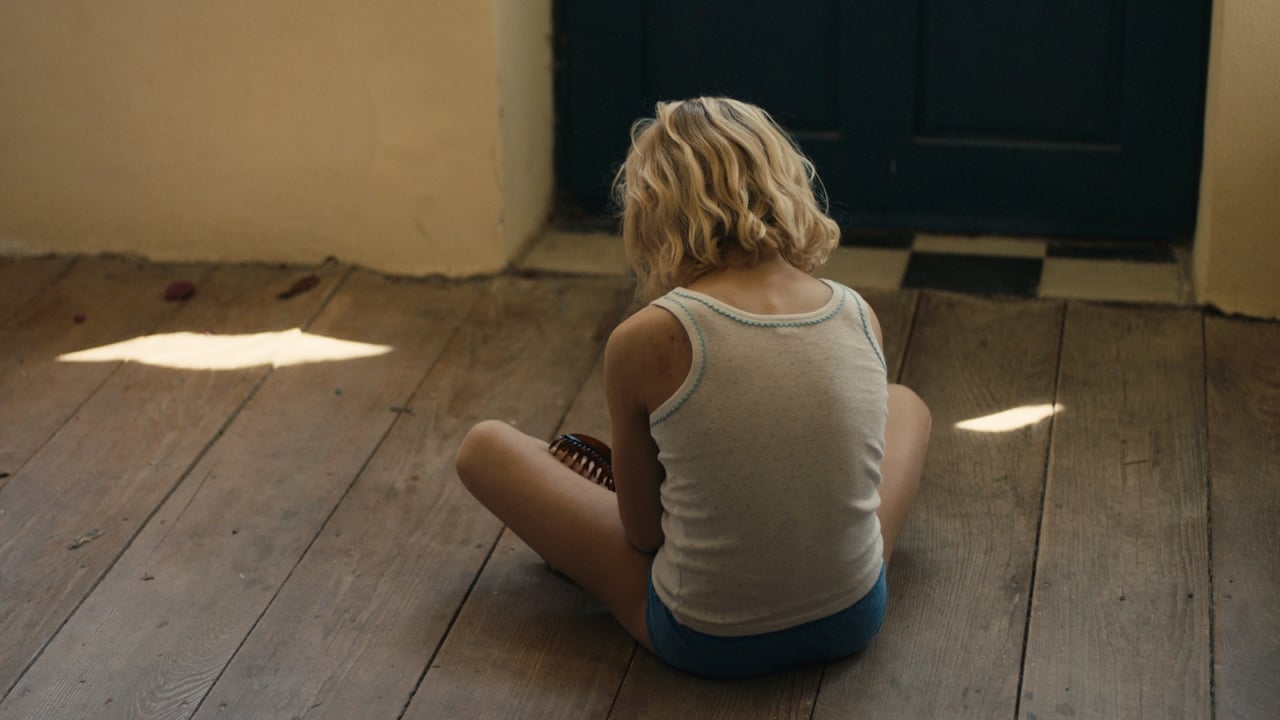
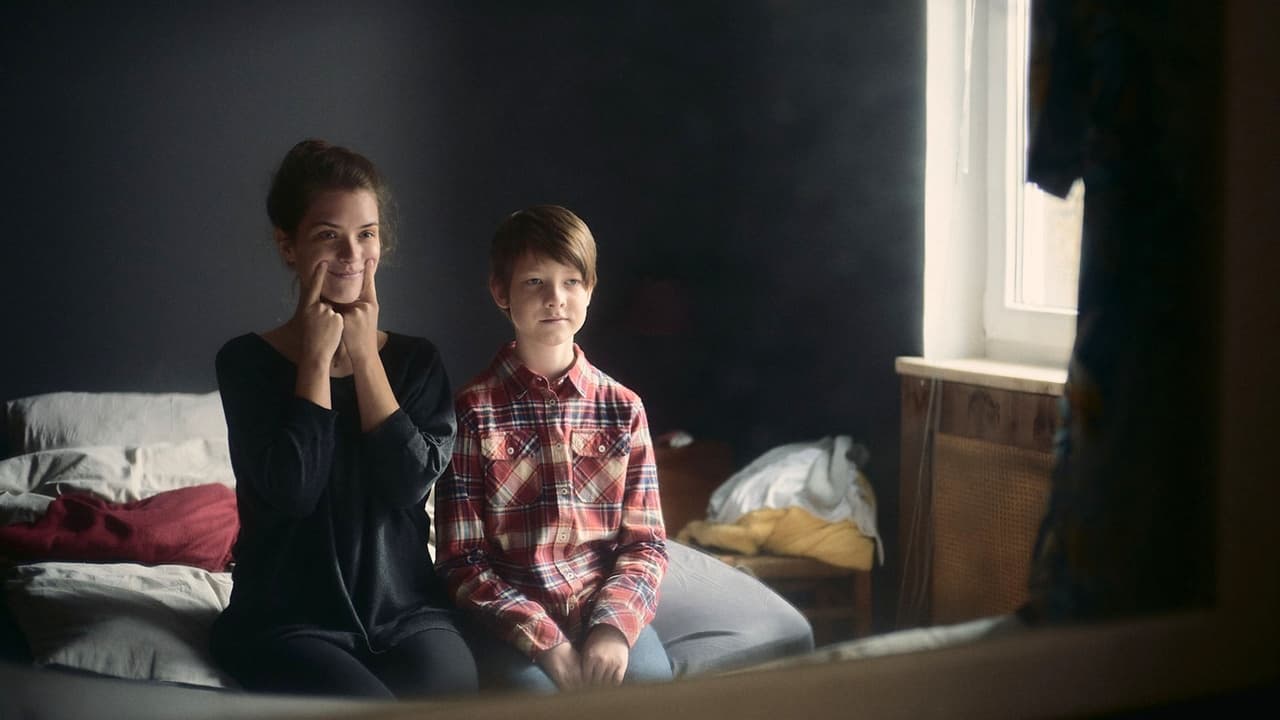
Sixty-six titles are dramas, and the drama guide picks out the most rewarding. Family is the great subject. Cloud Under the Roof follows a young father and his eight-year-old daughter through the first year after the loss of her mother, with a lightness that makes it suitable for children of the daughter's age. Zwischen uns is a truthful portrait of a mother and her autistic son, My Sisters a story of three sisters on a last journey together, and Dark Blue Girl a study of a seven-year-old, played by the remarkable Helena Zengel, whose separated parents begin to grow close again. Eine Mutter für Anna, Many Happy Returns and Years of Love are quieter dramas of the same kind.
Several films are portraits of artists and thinkers. Me and Kaminski, with Daniel Brühl, is a comedy-drama about an ambitious young critic who attaches himself to a blind, forgotten painter in the hope of writing a sensational biography, and finds the old man more than his match. Ingeborg Bachmann – Journey into the Desert, by Margarethe von Trotta, follows the Austrian poet through her years with the Swiss playwright Max Frisch. Three Paths to the Lake, an early television film by Michael Haneke, comes from one of Bachmann's own stories. Black and White Like Day and Night, made by Wolfgang Petersen before his international career, stars Bruno Ganz as a mathematician drawn back to the chessboard.
Age is treated with unusual respect in German film. In The Final Journey a man of ninety-two, played by Jürgen Prochnow, boards a train for Ukraine to look for someone he knew in his youth, with his exasperated granddaughter in pursuit. A Fading Man concerns a woman whose former husband, his memory failing, turns up at her door convinced that they are still married. Die Geschichte vom Brandner Kaspar, from a Bavarian folk play, is a comedy about a wily old gunsmith who gets the better of Death himself over a game of cards and a bottle of cherry brandy. Transfer is thoughtful science fiction about an elderly couple offered new bodies, and Schmitke a droll tale of an engineer sent to mend a creaking wind turbine in the Ore Mountains. Be My Star, Beste Chance, Every You Every Me, One Last Evening and Phantoms of July are films about young people working out where they belong.
Books on the screen
Many of these films began as books, and the books on screen guide pairs each with its source. The older literature is represented by Heinrich Mann, by the folk novel behind Wally of the Vultures, and by Hans Fallada, whose novel about the last horse-cab driver of Berlin, a stubborn old man who drove his carriage all the way to Paris in 1928 to prove a point, became the seven-part series Der eiserne Gustav. Daniel Kehlmann, the most successful German novelist of his generation, supplied both Measuring the World and Me and Kaminski. In Times of Fading Light comes from Eugen Ruge's prize-winning family saga, Berlin Hero from a comic novel by Maxim Leo, Wedding Fever in Campobello from Jan Weiler's best-seller about his Italian father-in-law, and Oh, This Unspeakable Void, a film of 2026, from the actor Joachim Meyerhoff's memoir of his years at drama school, lodging with his grandparents; Senta Berger plays the grandmother.
The theatre contributed Charley's Aunt, which exists here in two versions forty years apart, The House in Montevideo and the Brandner Kaspar comedy. English readers will recognise the sources of the Sunday-evening television romances, which German broadcasters film in Cornwall and New England from the novels of Rosamunde Pilcher and Katie Fforde.
Television films and series
Thirty-five titles were made for television, and the television films guide describes them. German public broadcasters commission more than two hundred television films a year, and the form has a prestige there that it has lost elsewhere; leading directors and actors move freely between the two screens. The event film has already been mentioned. The comedies include Befriending the Grouch, Prange, Sechs Richtige und ich, in which a care worker finds a winning lottery ticket, Zwei Familien auf der Palme and Familie Wöhler auf Mallorca, two holiday farces, and Letzte Chance für Harry, a Berlin fairy tale with two grand old men of the city's stage.
The romances are a genre apart, gentle stories with a guaranteed happy ending and a great deal of scenery. Rosamunde Pilcher: Erdbeeren im Frühling, Rosamunde Pilcher: Haustausch mit Hindernissen, Rosamunde Pilcher: Pralinen zum Frühstück and Rosamunde Pilcher: Ungezügelt ins Glück come from a series that has run for more than thirty years and made the Cornish coast a favourite German holiday destination. Katie Fforde - An deiner Seite and Katie Fforde - Eine Liebe in den Highlands do the same for the Hudson valley. Utta Danella - Eine Liebe in Venedig, Ein Sommer im Allgäu, Mein Weg zu Dir, Das Zimmermädchen und der Millionär, Meine Tochter und der Millionär and Die Zürcher Verlobung - Drehbuch zur Liebe are in the same comfortable tradition.
Fifteen series complete the catalogue, and the series guide lists them. Nikola, which ran for 110 episodes, is a workplace comedy about a head nurse and a senior doctor who strike sparks the moment they share a room, and was the most popular German sitcom of its day. Hallo – Hotel Sacher … Portier! is set at the porter's desk of Vienna's most famous hotel, Clara follows a teenage rider and her horse, Falk an eccentric lawyer, Bereitschaft Dr. Federau a doctor on call in East Berlin, and Radiofieber the birth of German broadcasting. Braunschlag 1986 is a dry Austrian comedy about a small-town mayor with a plan. Among the newest, The Gryphon is a fantasy adventure for teenagers from the novel by Wolfgang Hohlbein, and 303 – The Series a road romance in an old camper van from Berlin to Portugal.
The newest films
Seventy-one titles date from 2015 or later, and the 2015 onwards guide picks out the strongest. German cinema has found a new confidence in popular storytelling, and the best recent films combine a serious subject with real entertainment: The Silent Revolution, Contra, The Goldfish, Rabiye Kurnaz vs. George W. Bush and Cloud Under the Roof are all examples. The films of 2025 and 2026 include Berlin Hero, Time We Lost, in which a head teacher and his wife face the unfamiliar prospect of retirement together, The Frog and the Water, about the friendship between a young German and a Japanese visitor, Leibniz – Chronicle of a Lost Painting, Adam's Eight and Oh, This Unspeakable Void.
Faces to follow
The search field accepts the name of an actor or director, and a few names are worth following through the catalogue. Bruno Ganz, among the greatest of German-speaking actors, appears as the chess-haunted mathematician of 1978 and as the ninety-year-old patriarch of In Times of Fading Light, made two years before his death. Iris Berben, a star for five decades, is in Family Affairs, 791 km, Years of Love and Ein fast perfekter Antrag. Senta Berger leads Frau Böhm sagt nein, a fine drama about an accounts clerk who refuses to sign off a suspicious payment. Christoph Maria Herbst is the professor of Contra and a guest at the table in Family Affairs; Florian David Fitz plays the mathematician Gauss and a teacher in Locked in Society; and Luise Heyer appears in both Westwind and The Glassblower. Admirers of Christoph Waltz can see him in two television films made years before his international fame, Weihnachtsmann gesucht and the Zurich romance.
Among directors, Sönke Wortmann has four films here, from a television version of the Charley farce in 1996 to Locked in Society. Joseph Vilsmaier, a cameraman turned director, made both Nanga Parbat and the Brandner Kaspar film. Lars Kraume directed The Silent Revolution and My Sisters, Andreas Dresen the Kurnaz film, and Wolfgang Groos two of the brightest family comedies, When Inge Is Dancing and Granny Nanny. Werner Jacobs, a craftsman of the old school, is responsible for four of the sunniest entertainments of the 1960s and 1970s.
How German film is made today
A little background explains the shape of the catalogue. Germany has one of the most generously supported film cultures in the world. Each federal state runs a film fund, the public broadcasters are obliged to invest in cinema, and a national agency adds its own grants, so that a typical German feature is financed by five or six partners, with a television channel almost always among them. The system favours solid, well-acted stories on subjects of public interest, which is why so many films here are true stories, literary adaptations or comedies with a social theme, and why the line between a cinema film and a television film is so faint. Das Wunder von Lengede and Der Untergang der Pamir were made for the small screen with budgets and casts that most cinema films would envy, while Three Quarter Moon and Mostly Minimalistic opened in cinemas and feel as intimate as television plays.
The regional funds have another happy effect: they spread production across the whole country, since money granted in Bavaria or Saxony must largely be spent there. German films therefore show a great deal more of Germany than the capital. Beyond Silence and the Brandner Kaspar comedy are rooted in upper Bavaria, The Glassblower in the Thuringian forest, Three Quarter Moon in Nuremberg, Jürgen - Heute wird gelebt and Prange in Hamburg, Keiner schiebt uns weg in the Ruhr, The Silent Revolution on the Polish border and Schmitke in the Ore Mountains. Austria and Switzerland have comparable systems on a smaller scale, and the three countries frequently pool resources, which is why a film such as My Name Is Bach can be Swiss by production, German by cast and Prussian by setting.
The audience for all this is loyal and large. A successful German comedy is seen by three or four million people in cinemas at home, more than most Hollywood imports manage, and then by as many again on television. Kokowääh sold over four million tickets, Pappa ante Portas more than three and a half million, and the Wortmann comedies have regularly topped the national chart. Very few of those viewers live abroad. Comedy is the hardest of all genres to export, since so much of it lives in turns of phrase, and German distributors have traditionally concentrated on the home market. For a foreign viewer this is an opportunity: an entire popular cinema, well made and well loved, is waiting to be discovered with the help of subtitles.
A calendar of films
German television keeps a calendar of its own, and several titles here belong to particular seasons. Advent is the time for fairy tales: every December the broadcasters show the old studio versions of the Grimm stories, and Rumpelstilzchen and The Prince Beyond the Seven Seas are among the perennials. Weihnachtsmann gesucht, in which a man hired to play Father Christmas makes a promise to a small boy, is a seasonal comedy with a sharp edge of charm. New Year's Eve belongs by long tradition to operetta, and above all to Die Fledermaus, whose story takes place on that very night. Sunday evenings throughout the year are given over to the scenic romances described above, and the summer holidays to repeats of the Heinz Erhardt and Peter Alexander comedies, which grandparents and grandchildren watch together.
The films themselves follow the seasons with unusual care. Ein Sommer im Allgäu and The Summer After Graduation are bathed in July light; Westwind remembers one summer at a Hungarian lake; A Piece of Sky counts three winters on a Swiss mountain; and When the White Lilacs Bloom Again takes its title, and its mood, from a song about the spring. A viewer who matches the film to the month will find that German cinema, for all its reputation for seriousness, has a strong feeling for weather, landscape and the turning year.
A word on language
German is a family of voices, and part of the pleasure of these films is hearing them. Standard German, the language of the newsreader, is spoken in most of the comedies from Berlin and Hamburg. Bavarian fills the mountain films and the Brandner Kaspar comedy; Viennese, soft and ironic, the films of Hans Moser and the songs of Rickerl; and the Swiss films of Kurt Früh are spoken in the dialect of Zurich, which Germans themselves often watch with subtitles. Learners of German will find the comedies of Loriot and the television films especially helpful, since the speech in them is clear and close to everyday use, and Beyond Silence adds German Sign Language.
The services listed by JustWatch state which subtitles and soundtracks each offers in your country. Recent cinema releases and series made for international platforms usually carry English subtitles; many older films and television productions are offered in German only, and are best approached as listening practice or in the company of a German speaker.
A note for parents
Most of the catalogue can be watched by all ages together, and the comedies of the fifties and sixties are as innocent as films can be. A few titles are better kept for teenagers and adults because of their subjects. The Silent Revolution, Westwind, Beyond the Blue Border and In Times of Fading Light recall the pressures of life in a divided country. Nanga Parbat, Der Untergang der Pamir and Das Wunder von Lengede are true stories of danger. Cloud Under the Roof, My Sisters, A Fading Man and Red Bracelets: The Beginning, which is set on a hospital ward for young people, deal with illness and bereavement, all of them gently. Macondo and Rabiye Kurnaz vs. George W. Bush touch on the experience of refugees and of a family separated by world events. Leroy and Contra use comedy to talk about prejudice and make good starting points for a conversation.
Search, lists and My List
The top bar stays in place as you scroll and holds the menu, the search field and the yellow My List button. The search answers as you type and accepts a title in English or in German, so that both Beyond Silence and Jenseits der Stille will find the same film, or the name of an actor or director. A row of chips beneath the leading picture opens the country, genre and period lists, and the finding titles page explains all sixteen together with the A to Z. To keep a title for later, press Add to My List on its page. Your saved titles are stored by the browser on your own device, and the My List page shows how to save the list to a file.
A fortnight with CorsFlix
For a first fortnight, take one title from each shelf. A modern comedy: Contra. A Loriot evening: Pappa ante Portas. A classic with Heinz Rühmann: The House in Montevideo. A Heimatfilm: Kohlhiesel's Daughters. A true story: Measuring the World or Carl & Bertha. A film about divided Germany: The Silent Revolution. A music film: Louis van Beethoven. A fairy tale for the children: The Prince Beyond the Seven Seas. A drama: Beyond Silence. An Alpine story: Shillings from Heaven. Finish with The Trapp Family, and compare it with the musical you already know.
Questions and answers
Questions
What is CorsFlix?
CorsFlix is a guide to 188 German-language films and series from Germany, Austria and Switzerland, 1950 to 2026, each with its story, cast and a Watch now button to the official services that carry it.
Which title should I watch first?
Start with Beyond Silence, the comedy Pappa ante Portas or the true story The Silent Revolution.
Is the catalogue suitable for families?
Yes. Every summary was read by hand, and crime series, horror, films of the battlefield and adult dramas were left out. A note in the guide lists the titles better kept for older viewers.
Which countries are covered?
Germany with 170 titles, east and west, and Austria and Switzerland with 18 between them.
Are the films subtitled in English?
CorsFlix is a guide, and each Watch now button opens JustWatch, where every listed service shows the subtitles and soundtracks it offers in your country.
Which comedies are the best known?
Pappa ante Portas, Contra, The Goldfish, Kokowääh, Family Affairs and Wedding Fever in Campobello, with the Heinz Rühmann classics for older tastes.
How does My List work?
Press Add to My List on any title page. The list is kept by the browser on this device, and the list page can write it to a file.
Does CorsFlix host films or episodes?
CorsFlix is a guide only. Every Watch now button opens JustWatch, which lists the official streaming, rental and purchase services for your country.
